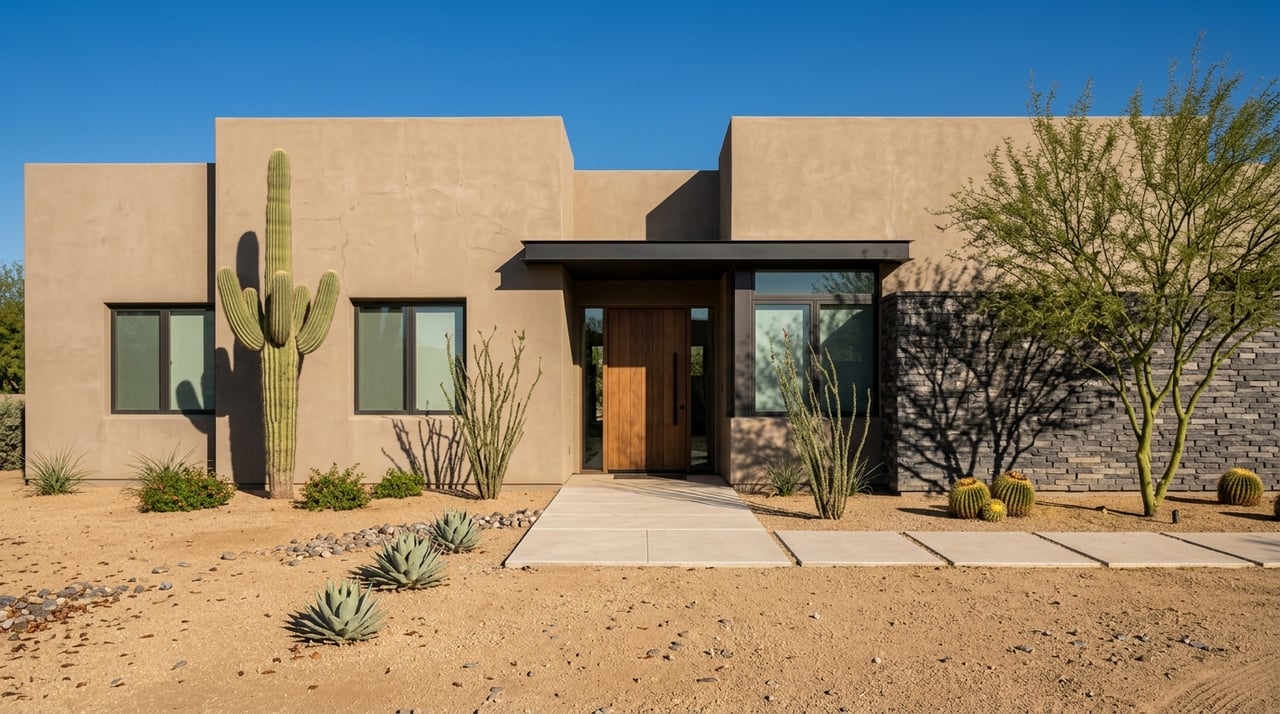
Remote Buyer Timeline For A Catalina Foothills Home
July 9, 2026
July 9, 2026
Buying a home in the Catalina Foothills from out of state can feel like a lot to manage at once. You are trying to learn the area, narrow down homes, coordinate documents, and make confident decisions without being here every day. The good news is that much of the process can be handled remotely with the right plan. This timeline will show you what usually happens, when it happens, and where local Catalina Foothills due diligence matters most. Let’s dive in.
Before you fall in love with a home online, get your finances organized. For most remote buyers, that means gathering income and asset documents, reviewing your budget, and deciding what monthly payment feels comfortable.
Your monthly housing cost may include more than principal and interest. It can also include property taxes, homeowner’s insurance, mortgage insurance, flood insurance in some cases, and HOA dues. If you are buying in the Catalina Foothills, those extra costs can make a real difference in your monthly number.
If you plan to finance, it is smart to complete a loan application before making an offer if possible. Preapproval gives you a stronger starting point, but it is still a tentative lending statement and often expires in 30 to 60 days. If you shop multiple lenders within a 45-day window, those credit checks may be treated as a single inquiry.
Once financing is underway, you can do a large part of the search from wherever you live now. That includes reviewing listings, taking virtual tours, comparing property details, and narrowing your shortlist.
This is where local guidance matters. Listing information can be incomplete or approximate, so it helps to treat online details as a starting point rather than a final answer. Features like square footage, utility connections, lot details, and permit history should be verified before you move too far forward.
For Catalina Foothills buyers, this phase often works best when you focus on a few specific questions. Are you prioritizing views, lot size, privacy, access to Tucson, or a lock-and-leave setup? Clear priorities make it easier to sort through homes remotely and avoid wasting time on properties that look better online than they do on paper.
If your schedule allows, one focused visit can make the process much easier. Many remote buyers do most of the research first, then come to Tucson for a targeted tour of their top options.
That approach can save time and reduce stress. Instead of flying in to browse broadly, you arrive with a plan, a refined list, and a better sense of what fits your goals. If travel is not practical right away, you can still move forward remotely, but careful coordination becomes even more important once you are ready to write an offer.
Once you decide to make an offer, the first few contract days matter. This is the stage where deadlines start, disclosures arrive, and your due diligence window begins to take shape.
In Arizona resale transactions, the seller’s disclosure obligation still applies even if the parties agree not to provide a Seller’s Property Disclosure Statement. Common Arizona resale forms also provide for the SPDS to be delivered within five days after acceptance. As a remote buyer, you will want to review that document and the purchase contract promptly so you do not lose valuable time.
It can be tempting to waive contingencies in a competitive situation, but that creates real risk. Arizona buyer guidance warns that waiving contingencies can put your earnest money at risk or expose you to damages if you back out later. For an out-of-state buyer, keeping room for inspections and document review is usually especially important.
For remote buyers, the inspection and due diligence period is often the most important part of the timeline. Once you are under contract, schedule the general home inspection as soon as possible so there is time to review findings, request additional inspections, and decide how to proceed.
Arizona buyer guidance treats professional inspections as essential. Your real estate agent can help you find qualified inspectors, but an agent is not a substitute for the inspection itself. That distinction matters even more when you are buying from afar.
If the home is not connected to public sewer, Arizona requires a qualified inspector to inspect the septic or other on-site wastewater facility within six months before transfer of ownership. Even if the listing or seller disclosures say the property is on sewer, it is wise to verify the connection.
Water service also deserves a closer look. A property may be served by a municipal system, a private water company, or a well, and remote buyers should investigate availability and quality rather than assume all systems are the same.
A Catalina Foothills purchase is not just about the house itself. It is also about the documents behind the house. During the contract period, review the title commitment, CC&Rs, HOA documents, assessor records, and any other disclosures that affect ownership or cost.
If the property is in an HOA or planned community, study the rules, fees, and architectural standards carefully. HOA fees due at sale and community-related tax obligations can affect your closing costs and your long-term budget.
For older homes, your document stack may also include lead-based paint disclosures. If you are considering new construction or a newly built property in a subdivision, Arizona requires a Subdivision Disclosure Report, also called a Public Report, before you sign the purchase contract.
For Catalina Foothills homes, county-level research can fill in gaps that listing data cannot. Pima County offers online access to property and permit records, project records, inspections, GIS tools, septic records, sewer connection records, and approved development drawings.
That makes county records especially helpful for checking additions, permit history, utility connections, and other details that may not be obvious in photos or marketing remarks. Assessor records can also help confirm square footage, assessed value, and date built, though those records should still be verified for accuracy.
Flood review is especially important in foothill areas. Pima County’s local flood maps show FEMA and District floodplains, but the county also notes that a property may still have flood or erosion hazards that do not appear clearly on the map.
That means flood review should be part of your due diligence, not a quick box to check. If a property raises questions, review the relevant local jurisdiction information and any subdivision plat notes that may apply.
After the offer is accepted, a financed purchase often closes in about 30 to 45 days. Research cited in the report places the average or median purchase-loan closing timeline in the low-40-day range, so that is a practical planning window for many remote buyers.
During this stage, your lender orders the appraisal, reviews the file through underwriting, and prepares final loan documents. You may be asked for updated financial items, so it helps to stay responsive and keep your paperwork easy to access.
The lender must provide the Closing Disclosure at least three business days before closing. You should review that disclosure and your other closing documents in advance with your lender or closing team so you have time to ask questions before signing.
One of the biggest questions remote buyers ask is whether they need to travel back to Arizona to close. In some cases, the answer may be no.
Arizona allows Remote Online Notarization, which can reduce travel if your lender and title or escrow team support it. The notary must be physically located in Arizona and uses audio-visual technology to complete the notarial act.
Because not every transaction is set up the same way, ask about signing logistics early rather than waiting until the final week. That gives you more flexibility if some documents can be handled remotely and others require a different plan.
The closing stage is also when wire fraud risk becomes especially important. Arizona buyer guidance warns buyers to verify wiring instructions independently and to use a trusted, verified phone number rather than relying only on email.
For remote buyers, this is a major safety step. If you are wiring earnest money or closing funds from another state, confirm instructions directly with the title or escrow team using a number you know is legitimate.
If documents need to be recorded in Pima County, timing can affect the final handoff. The Pima County Recorder states that documents received after 4 p.m. Tucson time are processed the next business day.
That does not mean every closing will be delayed, but it does mean remote buyers should avoid cutting timing too close. A little cushion can help prevent last-minute stress around recording and possession.
If you want the process in plain English, here is the typical roadmap:
A remote Catalina Foothills home purchase can be smooth, but it usually works best when you treat it as a structured process, not a last-minute scramble. Secure financing early, narrow your shortlist with intention, move quickly once you are under contract, and use local records and inspections to verify what matters.
If you want a concierge-level plan for buying in the Catalina Foothills from out of state, Evan Johnson can help you navigate the timeline, focus on the right properties, and make smart decisions at every stage.
Stay up to date on the latest real estate trends.

Get assistance in determining current property value, crafting a competitive offer, writing and negotiating a contract, and much more. Contact me today so I can guide you through the buying and selling process.