Explore Catalina Foothills Golf Communities and Clubs
July 16, 2026
July 16, 2026
If you are drawn to mountain views, desert privacy, and a daily routine built around recreation and connection, golf and country club living in the Catalina Foothills can feel like a natural fit. This part of greater Tucson was shaped by large lots, preserved desert character, and homes designed to work with the land instead of against it. In this guide, you’ll get a clear look at how club living works here, which clubs buyers tend to compare, and what to watch for as you narrow your search. Let’s dive in.
The Catalina Foothills is not a master-planned area built around uniform subdivisions. Pima County describes eastern Pima County as a mix of urban and suburban development shaped by regional mountain boundaries, and much of the classic Foothills estate area remains unincorporated. That setting helps explain why the area feels more landscape-driven and less grid-based than many other residential markets.
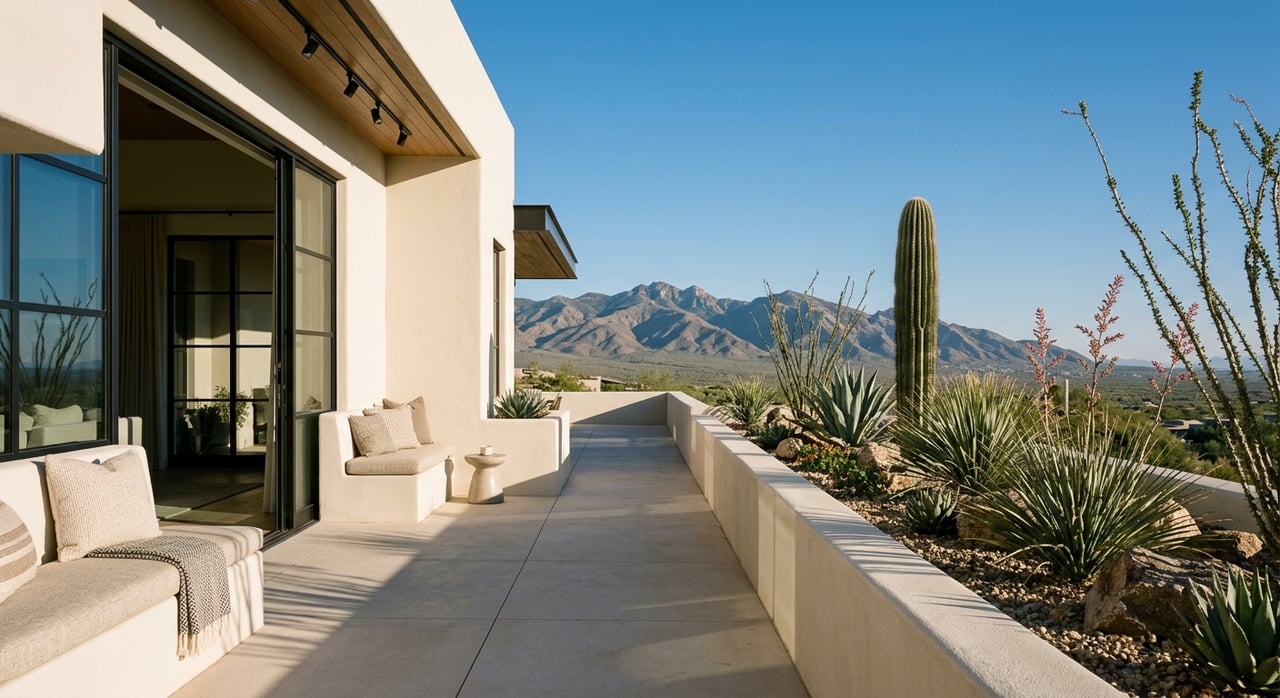
The Catalina Foothills Association has long emphasized preserving the Sonoran Desert character of the area. Its history and standards point to development patterns that favored substantial lots, privacy, preservation of native vegetation, wildlife, and mountain and valley views. For you as a buyer, that means club living here often feels like an extension of the Foothills lifestyle rather than a separate amenity package dropped into the desert.
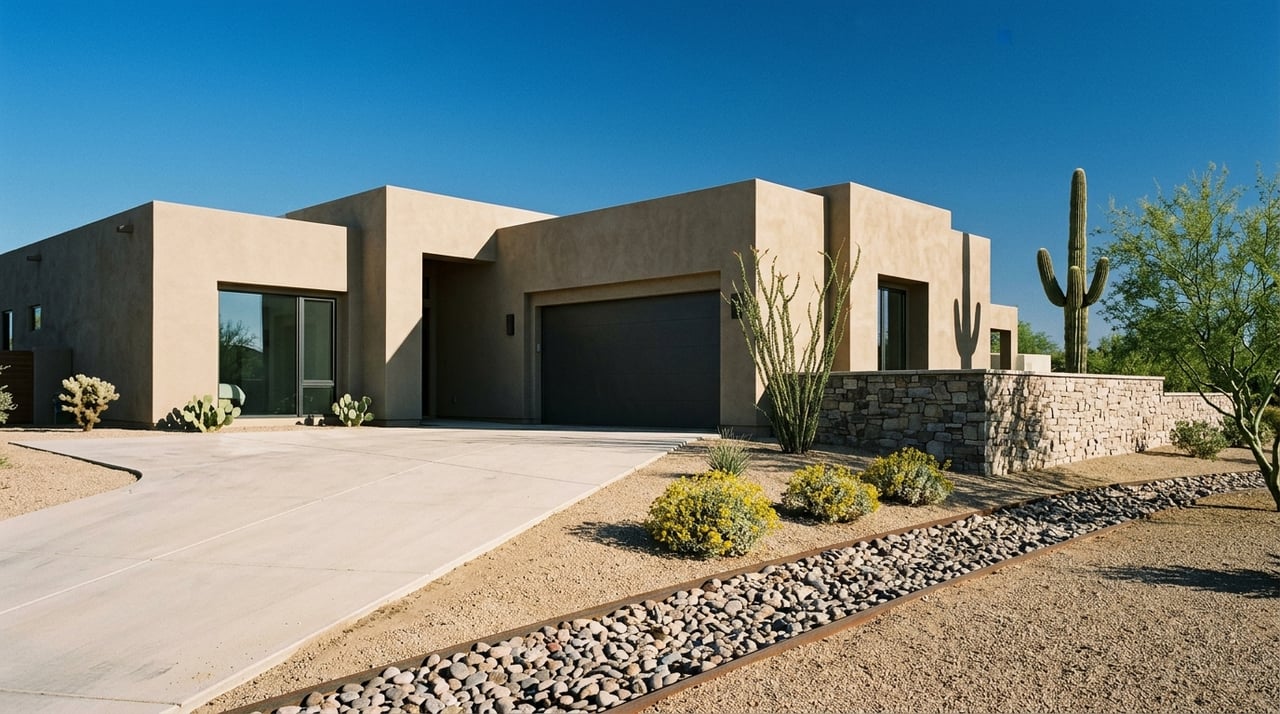
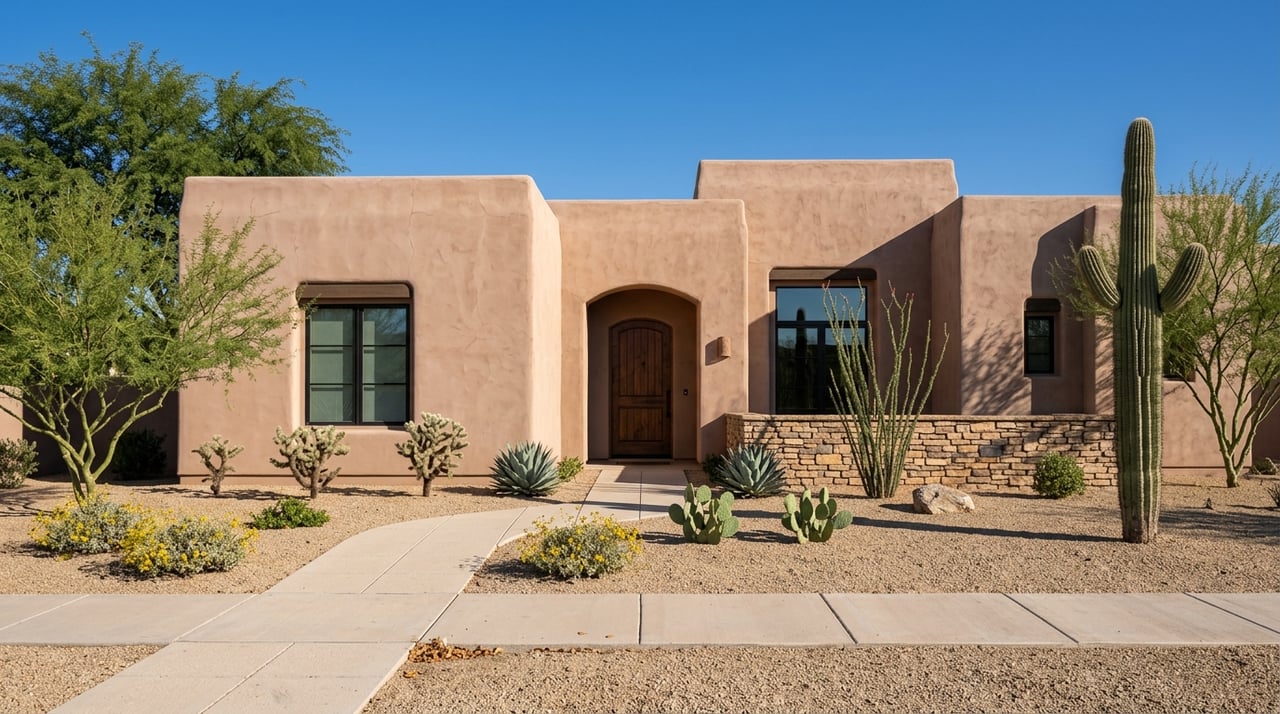
Homes near Catalina Foothills clubs are often shaped by the same design values that define the broader area. The Foothills' CC&Rs and design standards can regulate setbacks, building heights, colors, architectural styles, land use, and protection of natural plants and habitat. The goal is a more harmonious relationship between homes and the desert landscape.
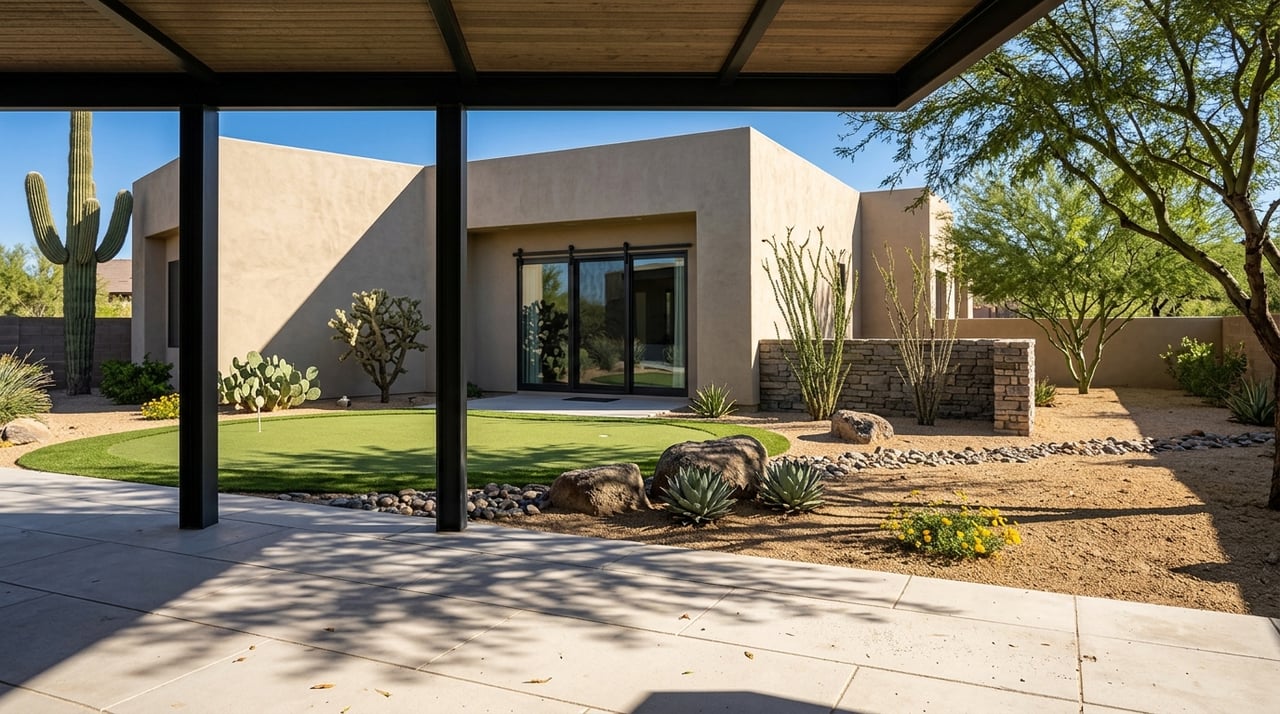
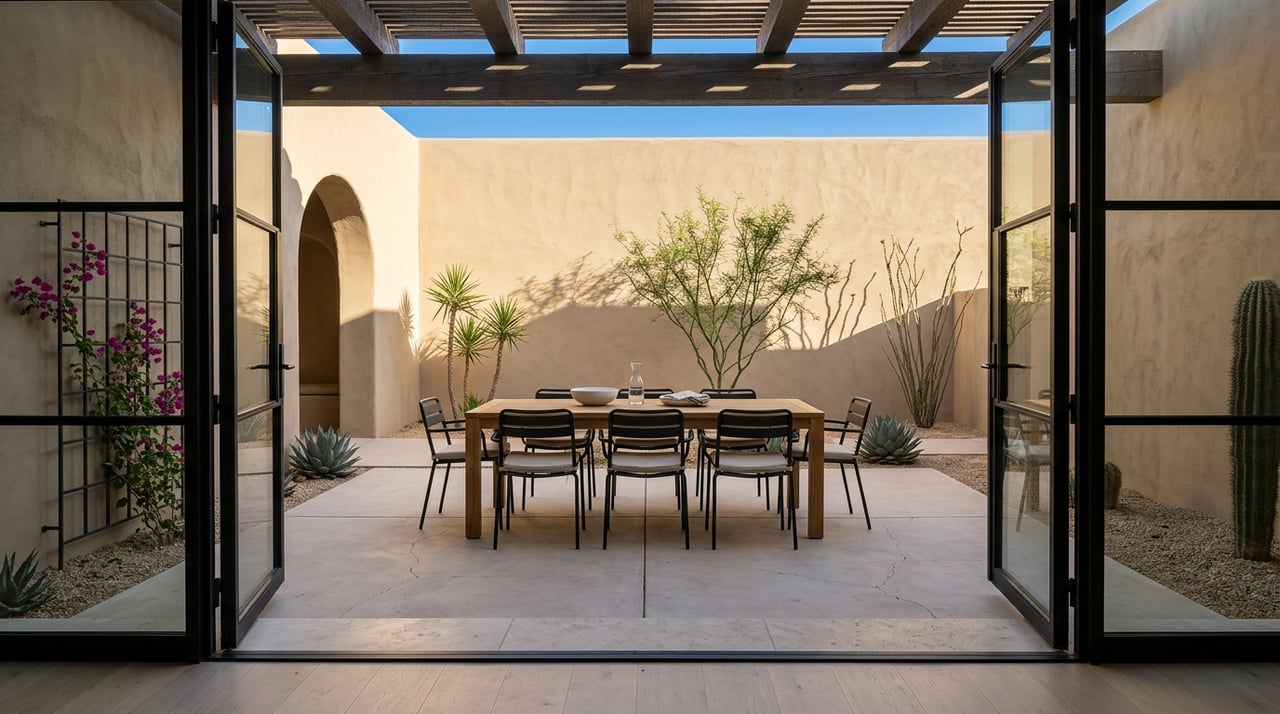
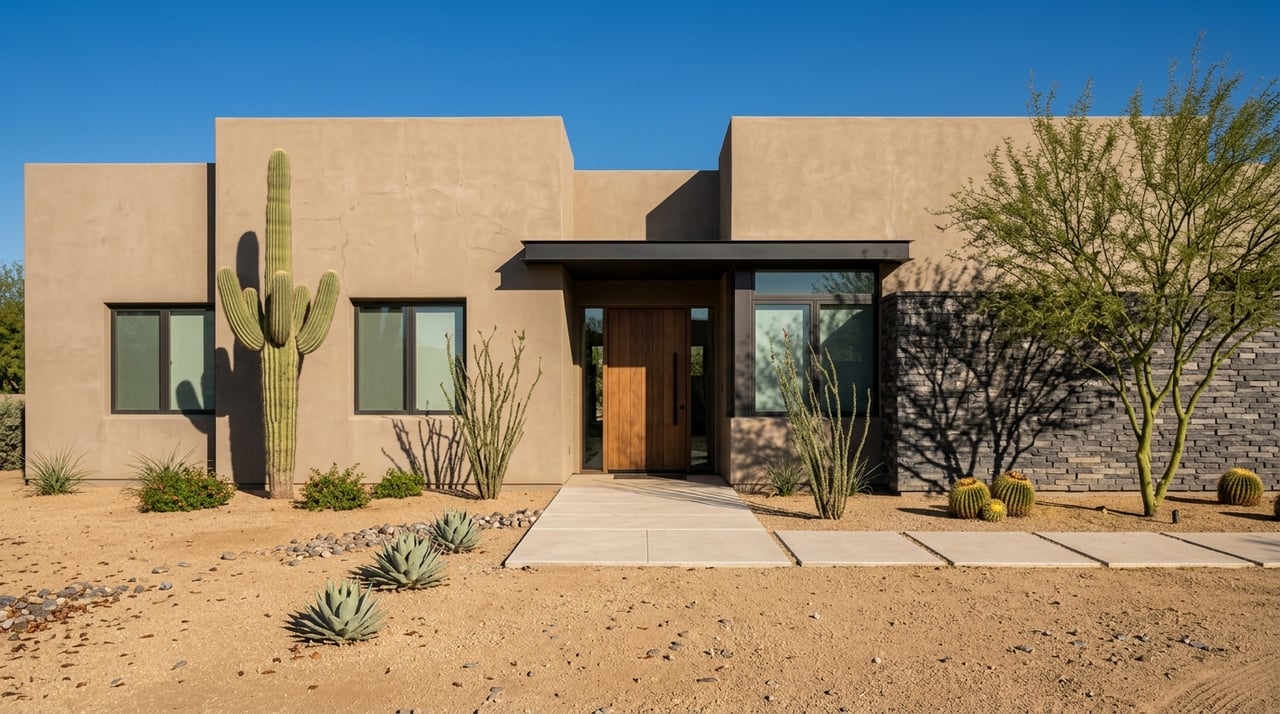
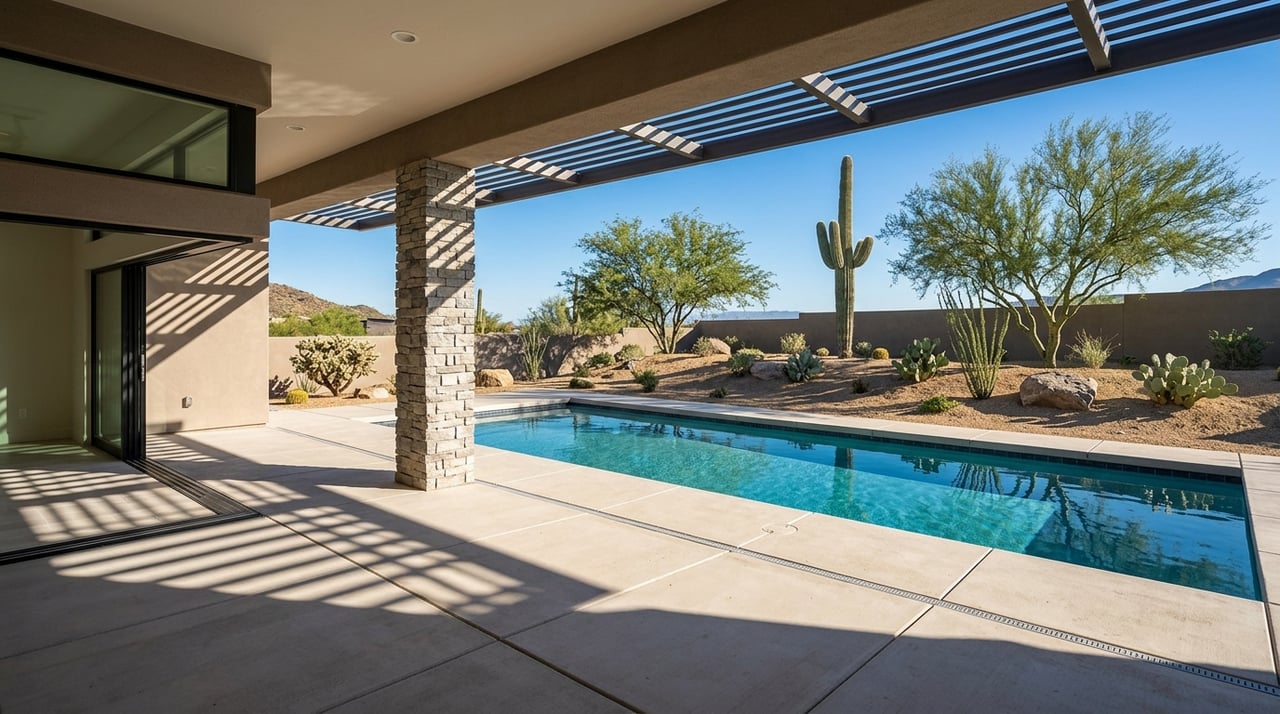
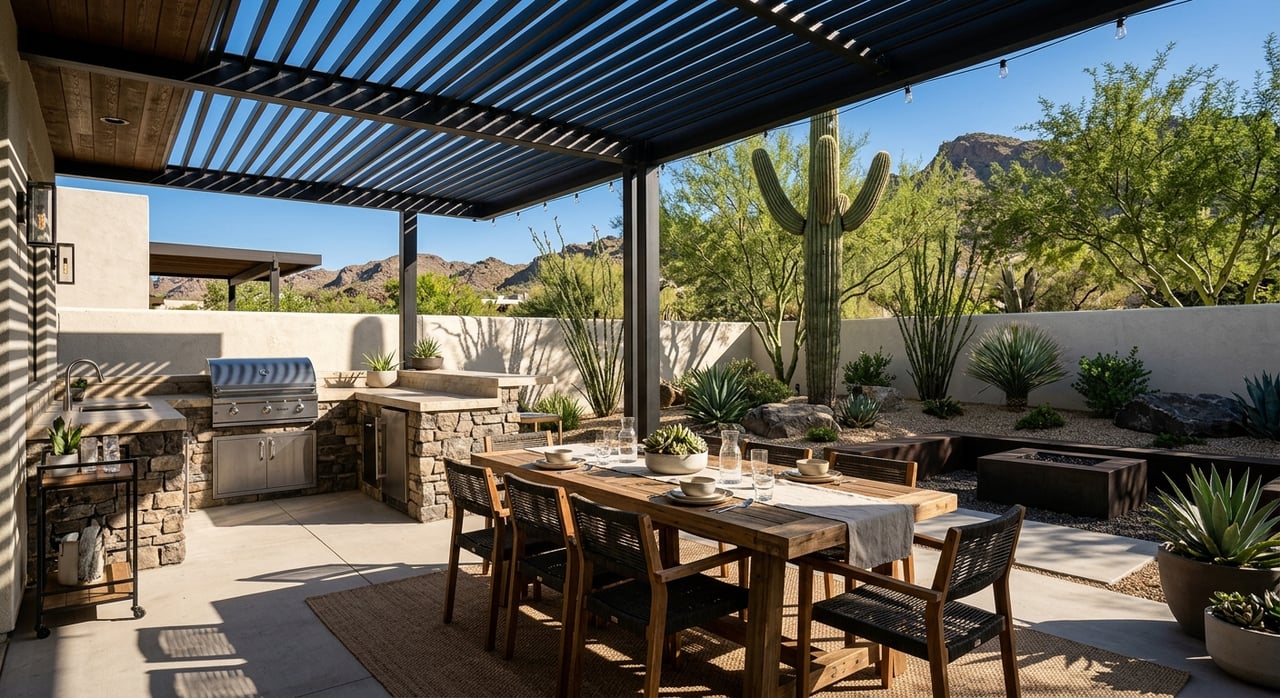
In practical terms, you will often see custom homes, larger homesites, hillside settings, and strong indoor-outdoor living. Older homes in the area may also reflect Southwestern and Mission revival influences that have helped shape the Foothills’ architectural identity. For many buyers, that combination of privacy, views, and desert-sensitive design is part of the appeal.
Not all clubs in the Foothills offer the same lifestyle. The local market is better understood as a set of distinct options, each with its own personality and daily rhythm.
La Paloma Country Club, located at 3660 East Sunrise Drive, is one of the most resort-oriented choices in the Foothills. The club describes itself as offering 27 holes of Jack Nicklaus Signature Design golf, 8 tennis courts, 7 pickleball courts, a 24-hour athletic club, a junior Olympic lap pool, a resort pool oasis with a waterslide, Kids Club, spa and salon services, and an active social calendar. Its membership structure includes Golf and Lifestyle categories.
If you want golf to be just one part of a broader lifestyle, La Paloma stands out. The amenity mix supports a routine that may include fitness, racquet sports, pool time, dining, and social events along with golf. It can be a strong match if your household wants variety in how it uses the club week to week.
Ventana Canyon Golf & Racquet Club, at 6200 N Club House Lane, offers a more secluded desert setting. The club says it is member-owned and set within 600 acres of Sonoran Desert, with two 18-hole Tom Fazio championship courses, 15 lighted hard courts for tennis and pickleball, two resort pools, a fitness center, dining venues, a day spa, and 50 lodge suites for members and guests. Its membership structure includes golf access and racquet-focused access with limited golf privileges.
For buyers who want a retreat-like atmosphere, Ventana Canyon often earns attention. Its setup reads as a full recreation and hospitality environment rather than a golf-only destination. If you picture club living as part wellness routine, part desert escape, this is one of the clearest Foothills examples.
Skyline Country Club emphasizes elevation, views, and social life. The club says it sits at 3,600 feet and offers an 18-hole golf course, fitness center, pool, tennis and pickleball, dining, and a broad calendar of leagues, mixers, and social clubs. Its published programming includes weekly socials, themed events, and interest groups such as astronomy, book, gardening, Mahjong, Scrabble, bridge, and wine.
If your ideal club experience includes panoramic scenery and a strong social network, Skyline may be especially appealing. Compared with some other options, its current positioning feels less resort-focused and more centered on member community and regular club interaction. That difference matters if you are choosing based on how you want everyday life to feel.
Tucson Country Club is a legacy private-club option in the broader Foothills market. The club is member-owned, exclusively private, and located within a gated community. It offers multiple membership categories ranging from Dining to Traditional Golf, and its William Bell-designed 18-hole course is described by the club as especially walkable.
The club also offers dining, fitness, racquet sports, and aquatics. Its history is especially important for buyers because Tucson Country Club Estates developed around the club, with original lot selections tied to clubhouse proximity and north-facing Catalina Mountain views. That makes it one of the clearest examples of a club helping define the surrounding neighborhood’s identity.
In the Catalina Foothills, clubs do more than provide amenities. They often influence how nearby neighborhoods feel, how homes are positioned on their lots, and how architecture relates to the landscape. That connection is especially visible where homes were developed with view orientation, privacy, and clubhouse access in mind.
This is one reason club-adjacent properties here can feel very different from homes in conventional suburban golf communities. Instead of repetitive streetscapes, you are more likely to see a varied mix of custom homes, desert setbacks, and stronger visual relationships to the mountains and surrounding terrain. The club is part of the story, but the land is still the main character.
The best choice usually comes down to daily-use fit. It helps to think less about the prestige of a club name and more about how you would actually use the amenities during a typical week.
Ask yourself questions like these:
These questions can quickly separate options that look similar on paper. A club that feels perfect for one buyer may feel underused for another.
In the Catalina Foothills, the value story is usually broader than golf alone. Buyers are often responding to a mix of club access, covenant-protected neighborhood character, view orientation, larger lots, and architecture that fits the desert setting. When those pieces align, the lifestyle can feel cohesive and hard to replicate elsewhere.
That is also why it helps to evaluate homes and clubs together rather than separately. A property may be near a club, but the stronger question is whether the home, lot, setting, and membership style support the way you want to live. In this market, the lifestyle fit is often what matters most.
The Catalina Foothills is full of micro-markets. Two homes may both be near country clubs, yet offer very different experiences in terms of elevation, lot size, privacy, architectural style, and neighborhood structure. For relocation buyers and second-home shoppers especially, those details can be hard to judge from a distance.
That is where local perspective becomes valuable. Understanding how club identity, desert design standards, and neighborhood setting work together can help you avoid a mismatch and focus on the homes that truly support your goals. In a market this nuanced, broad Tucson knowledge is helpful, but Foothills-specific insight is even better.
If you are exploring golf and country club living in the Catalina Foothills, the right guidance can save you time and sharpen your search. Evan Johnson offers concierge-level, neighborhood-first advice for buyers and sellers who want a clearer picture of Foothills micro-markets, lifestyle fit, and property value.
Stay up to date on the latest real estate trends.
Get assistance in determining current property value, crafting a competitive offer, writing and negotiating a contract, and much more. Contact me today so I can guide you through the buying and selling process.