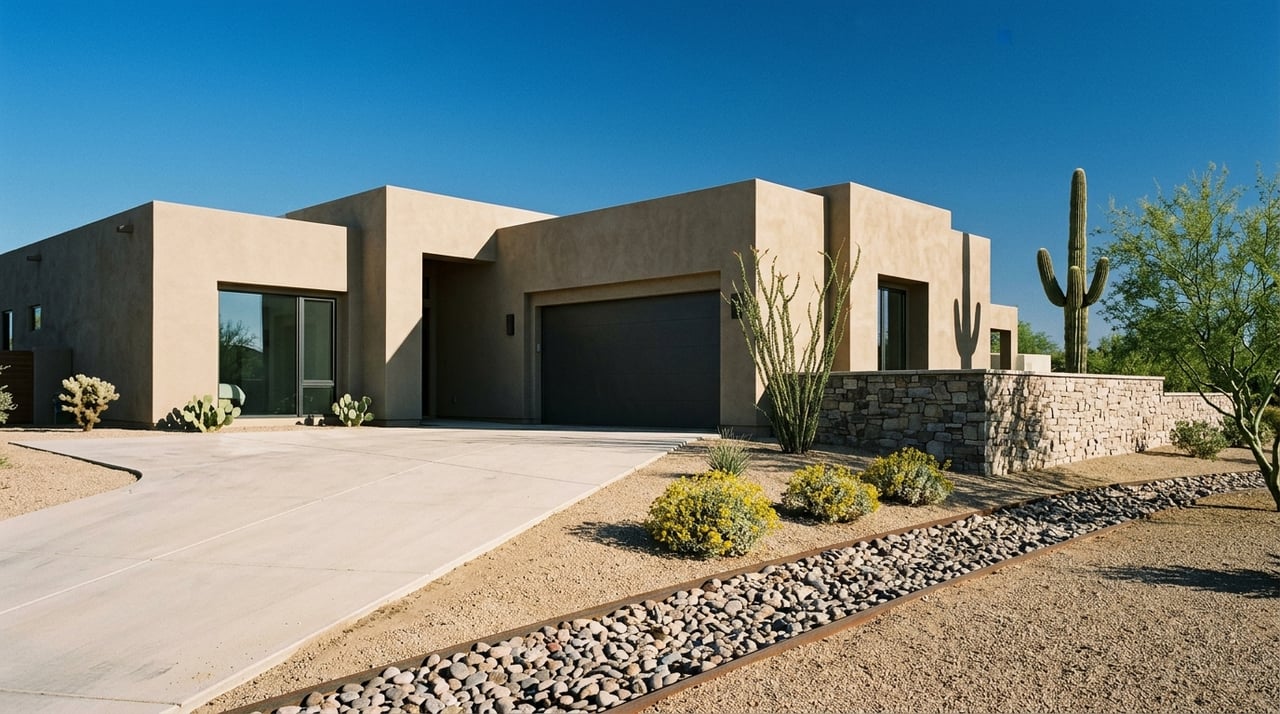
Guide To Buying A Lot In The Catalina Foothills
June 25, 2026
June 25, 2026
Buying land in the Catalina Foothills can be exciting, but it can also get complicated fast. A lot that looks perfect from the road may come with slope limits, drainage issues, utility questions, or height restrictions that affect what you can actually build. If you want to buy with confidence, it helps to understand how lot purchases work in this part of Pima County before you write an offer. Let’s dive in.
Catalina Foothills is an unincorporated community in Pima County, and the county treats it as a distinct area with special planning considerations. That matters because buying land here is rarely as simple as checking the acreage and picking a house plan.
In many cases, a lot’s real value comes down to what the site can legally and physically support. Slope, drainage, access, utilities, and view orientation all play a major role in whether a parcel fits your goals and budget.
Pima County also has a Catalina Foothills special area policy map. For buyers, that is a clear sign that parcel-specific rules may affect building height, building envelope, and future development potential.
Before you focus on views or design ideas, confirm the basics. In the Catalina Foothills, many lots are buildable with the right planning and engineering, but they are not always buildable by default.
That distinction can affect your timeline, your construction budget, and even whether the lot works for the home you have in mind. A beautiful parcel may still require extra grading, drainage review, or specialized design work.
Pima County’s hillside and grading guidance makes it clear that topography can drive both cost and design. Development submittals in hillside areas must show existing topography, finish-floor elevation, driveway location, utilities, and slope stabilization methods.
The county also states that a single-dwelling project with 14,000 square feet or more of graded area needs a grading permit. Lots with slopes of 15% or greater are subject to the Hillside Development Overlay Zone, often called HDZ.
For you as a buyer, that means the site plan is not a small detail. It can shape where the home sits, how the driveway works, and how much earthwork may be required.
Drainage is another issue that deserves early attention. Pima County Floodplain Management provides floodplain information for unincorporated Pima County, and floodplain permits can apply to single-lot improvements such as structures, walls, fences, septic systems, and grading.
If a property is in a federally mapped floodplain and the financing is federally backed, flood insurance can be required. Even when a lot appears dry and elevated, you still want parcel-level confirmation rather than assumptions based on the surrounding area.
View lots are a major draw in the Catalina Foothills, but views should be evaluated with local policy in mind. In the Catalina Foothills special area policy area, buildings over 24 feet require specific authorization from the Pima County Board of Supervisors, and the Board may limit construction to one story.
That is important for two reasons. First, it affects what you may be able to build. Second, it affects how you should judge the lot’s long-term value and the relationship between the site and nearby parcels.
Pima County describes wildfire risk as a year-round concern due to drought, extreme heat, and invasive vegetation. In foothill settings, that makes defensible space, vegetation management, and emergency access part of the due diligence process.
For lot buyers, wildfire review is less about fear and more about preparation. You want to understand how the site’s access and natural vegetation may influence future planning and maintenance.
One of the biggest mistakes lot buyers make is assuming utility access based on the neighborhood name. In the Catalina Foothills, water, sewer, and septic questions should be verified for the specific parcel, not guessed from nearby homes.
This is especially important if you are comparing a ready-to-build lot with a larger parcel, an infill site, or a tear-down opportunity. Utility availability can materially change both cost and build strategy.
Tucson Water has a formal service area policy and map. That means water availability should be confirmed directly for the parcel you are considering.
A lot may be in a well-known foothills location and still require additional review. If water service is central to your build plans, this should be one of the first items you verify.
Pima County says its Regional Wastewater Reclamation Department serves the vast majority of the unincorporated county that is served by sewer. Areas outside that sewer service system use septic tanks.
If septic will be required, Pima County regulates onsite wastewater treatment facilities and requires construction authorization, discharge authorization, and a site investigation. That investigation helps determine whether a conventional or alternative system is needed.
If the property already has a septic system, the county requires a qualified inspection within six months before transfer. The buyer should receive that report before closing.
A lot is only as usable as its access. Before you move forward, make sure the parcel has legal vehicular access and that the access plan works with the type of home you want to build.
Pima County assigns property addresses based on the official street name and the location used for vehicular access. The county also requires address display standards to be met before a building inspection.
If a driveway, trench, curb change, or other improvement crosses public right-of-way, Pima County requires a Right-of-Way Use Permit. This is one of those technical issues that can be easy to miss early, but it can have a real impact on timing and site planning.
County GIS parcel maps can be useful for understanding parcel and street relationships. Still, Pima County notes that these maps are meant to portray physical reality and proposals, not replace assessor record maps or a survey.
Not every land purchase starts with a vacant parcel. In the Catalina Foothills, some of the best opportunities are older properties where the value is in the lot, not the existing structure.
If you are buying a tear-down, demolition requires a permit. Pima County also requires separate asbestos NESHAP applications for demolition versus renovation, along with a 10-working-day notification period before demolition or renovation activity.
Major earthmoving, trenching, road construction, or blasting can also trigger fugitive dust permit requirements. That makes tear-down due diligence different from standard vacant land due diligence, even when the end goal is the same.
The right local professionals can help you spot issues before they become expensive surprises. In a foothills land purchase, early expert input is often one of the best investments you can make.
Pima County’s hillside checklist says a designer who is thoroughly familiar with HDZ requirements is required. When floodplain review is involved, the county points buyers toward surveyors and engineers.
Depending on the parcel, your early-stage team may include:
If you are relocating or buying from out of state, this step matters even more. Having the right local guidance can help you compare lots based on real buildability, not just marketing appeal.
A strong offer on land starts with strong questions. Before you move too far forward, make sure you have clear answers on the issues that most often affect foothills parcels.
Here are some of the most important questions to ask:
If a parcel needs a lot split or minor land division, Pima County routes that through its minor lands process and related development services reviews. That issue should be clarified early so your purchase does not move ahead on assumptions.
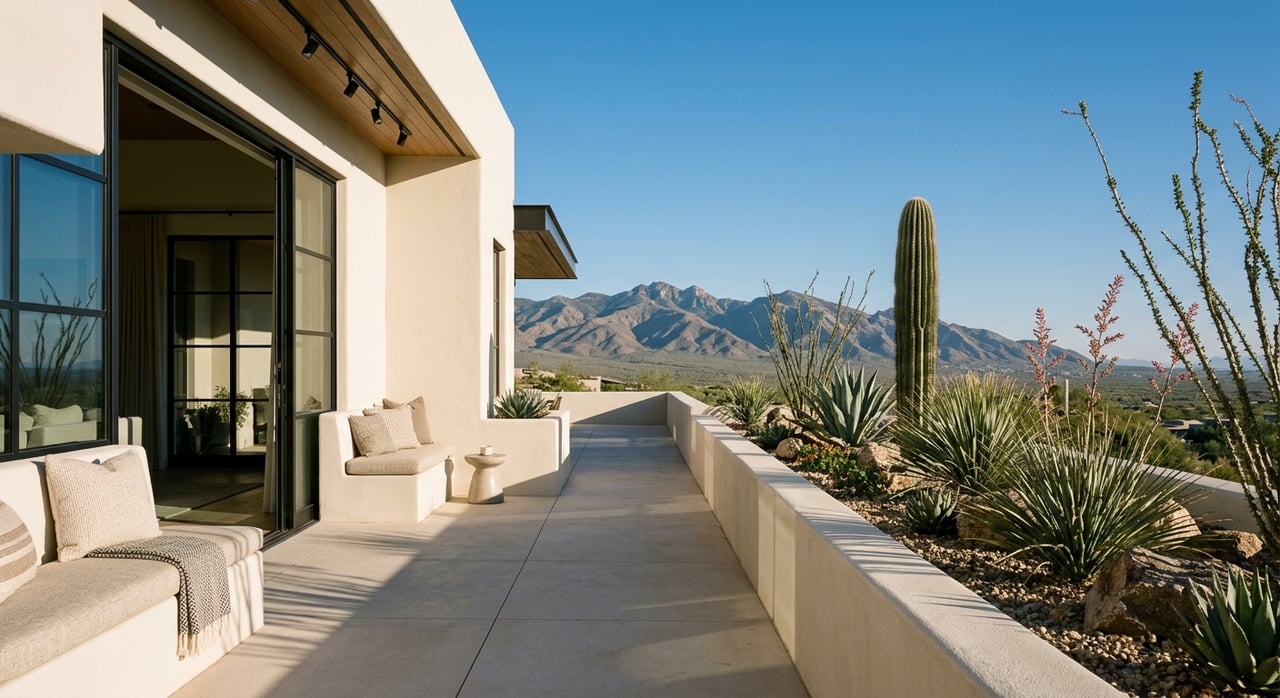
The Catalina Foothills offers some of the most compelling land opportunities in the Tucson area, especially if you want mountain views, privacy, and the chance to create a custom home. At the same time, lot purchases here reward careful research and local experience.
When you understand slope, drainage, access, utility service, and special area policies before you buy, you put yourself in a much stronger position. You can compare parcels more clearly, budget more accurately, and move toward your build with fewer surprises.
If you are considering a vacant lot, a larger parcel, or a tear-down in the Catalina Foothills, Evan Johnson can help you evaluate the property with a local, detail-focused approach.
Stay up to date on the latest real estate trends.
Get assistance in determining current property value, crafting a competitive offer, writing and negotiating a contract, and much more. Contact me today so I can guide you through the buying and selling process.