Catalina Foothills Neighborhoods Guide for Buyers
June 18, 2026
June 18, 2026
If you have started looking in the Catalina Foothills, you have probably noticed one thing fast: not every foothills neighborhood lives the same. Two homes may share mountain views and a Catalina Foothills address, yet offer very different experiences when it comes to privacy, amenities, trail access, and day-to-day upkeep. This guide will help you compare enclave types, narrow your priorities, and choose the part of the Foothills that fits the way you want to live. Let’s dive in.
Catalina Foothills is a large unincorporated community in Pima County with 52,401 residents, 41.85 square miles of land, and a housing profile shaped by ownership and longer-term residency. Census estimates also show a 76.4% owner-occupied rate, a median owner-occupied home value of $652,000, and median household income of $115,304.
Those numbers help explain why micro-location matters here. In a market with established character and significant variation in lot size, views, and neighborhood structure, the right fit often comes down to choosing the right enclave, not just the right house.
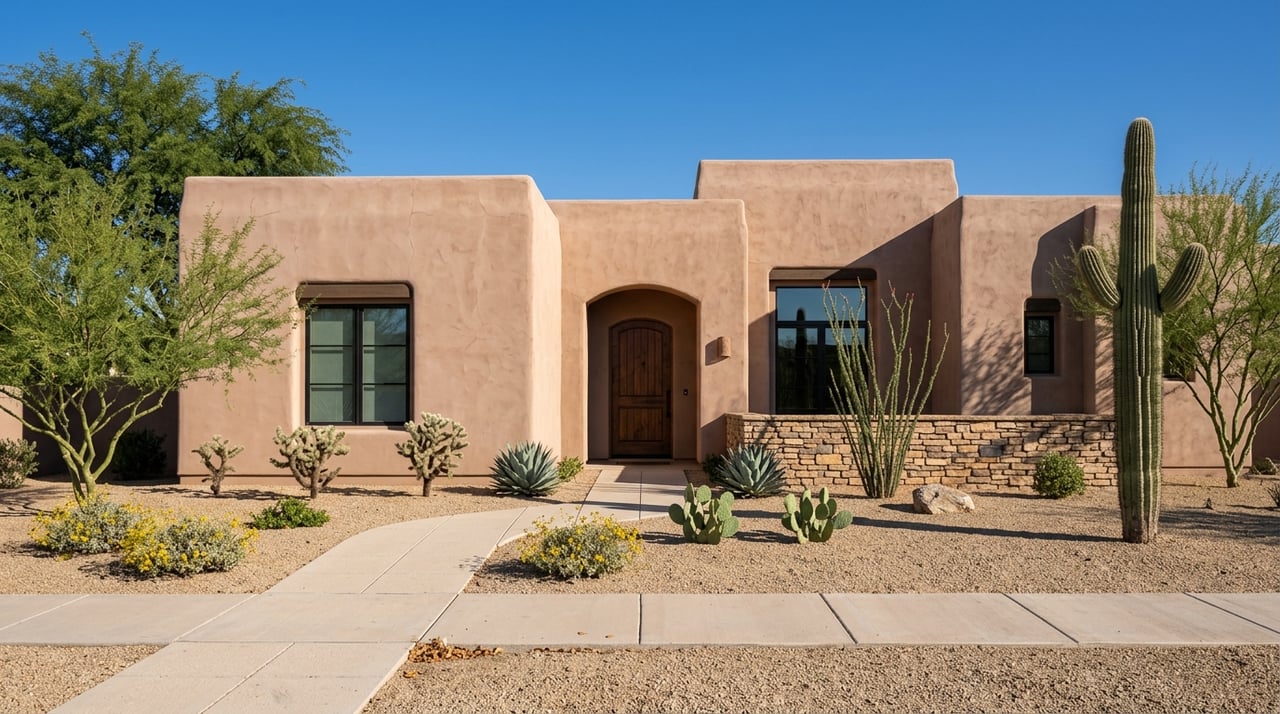
The Foothills did not grow by accident. The Catalina Foothills Subregional Plan describes an established low-density pattern, with scenic arterial roads intended to protect mountain vistas, native vegetation, and natural topography.
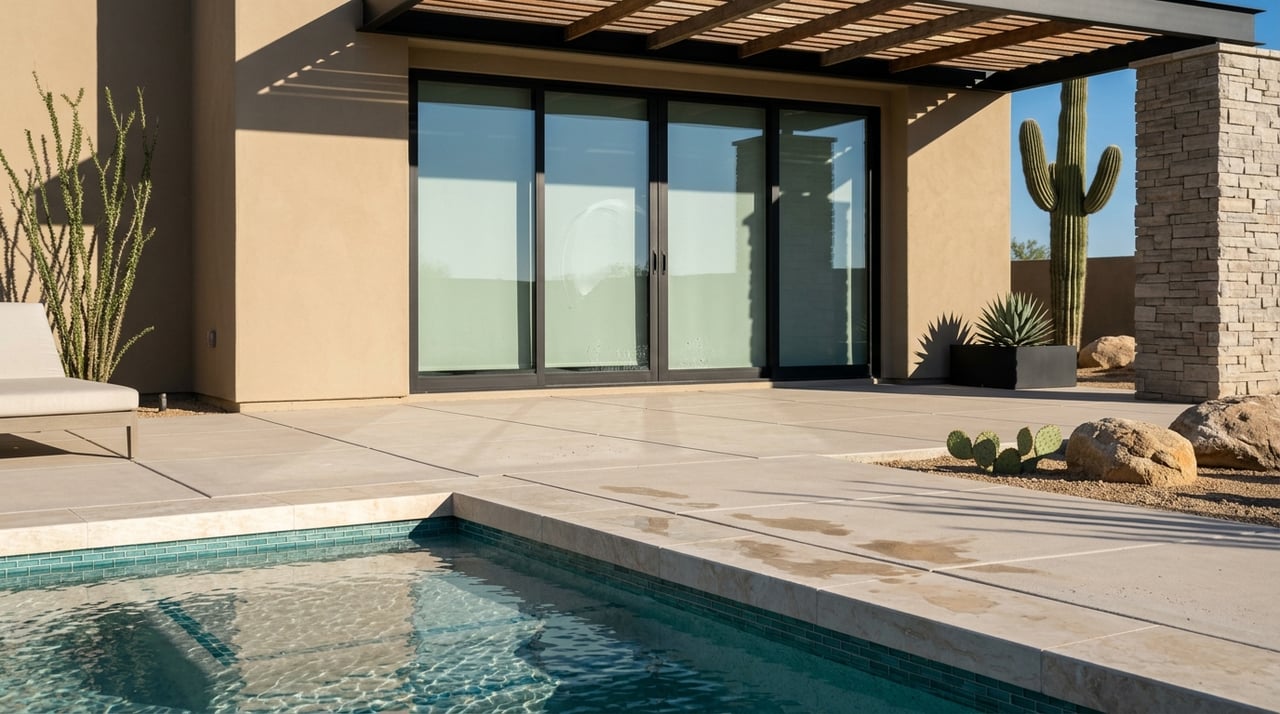
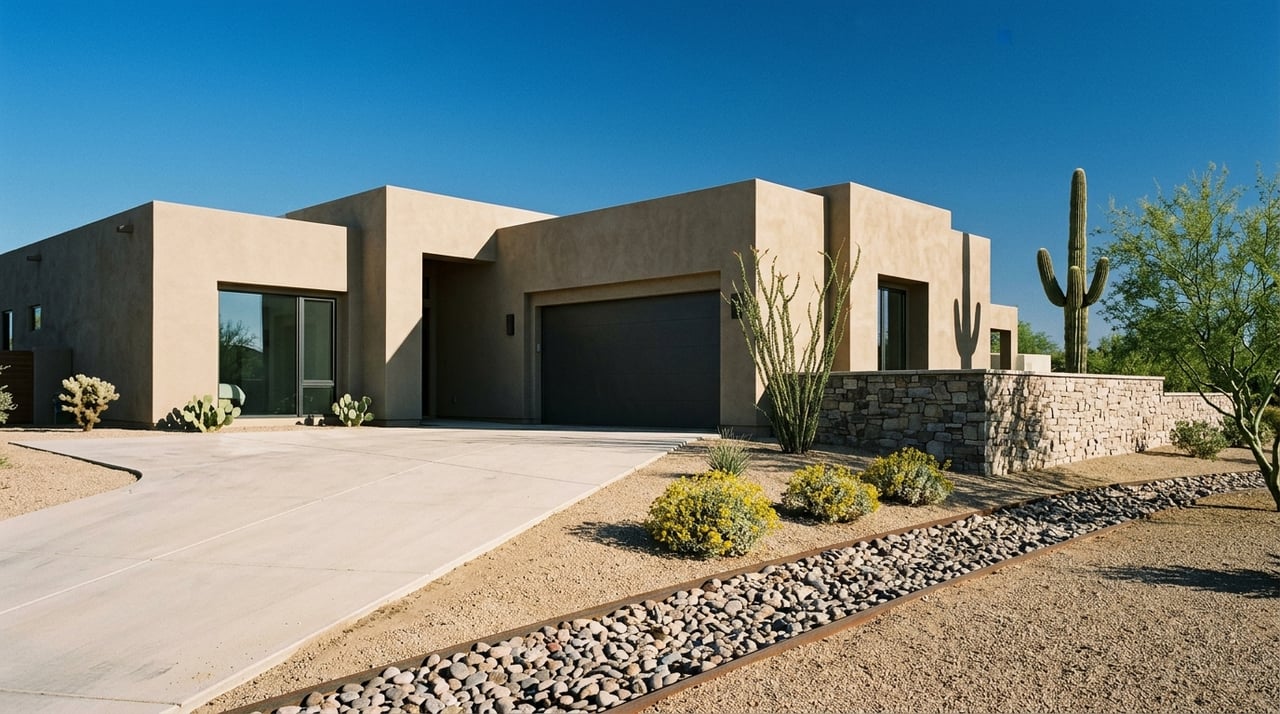
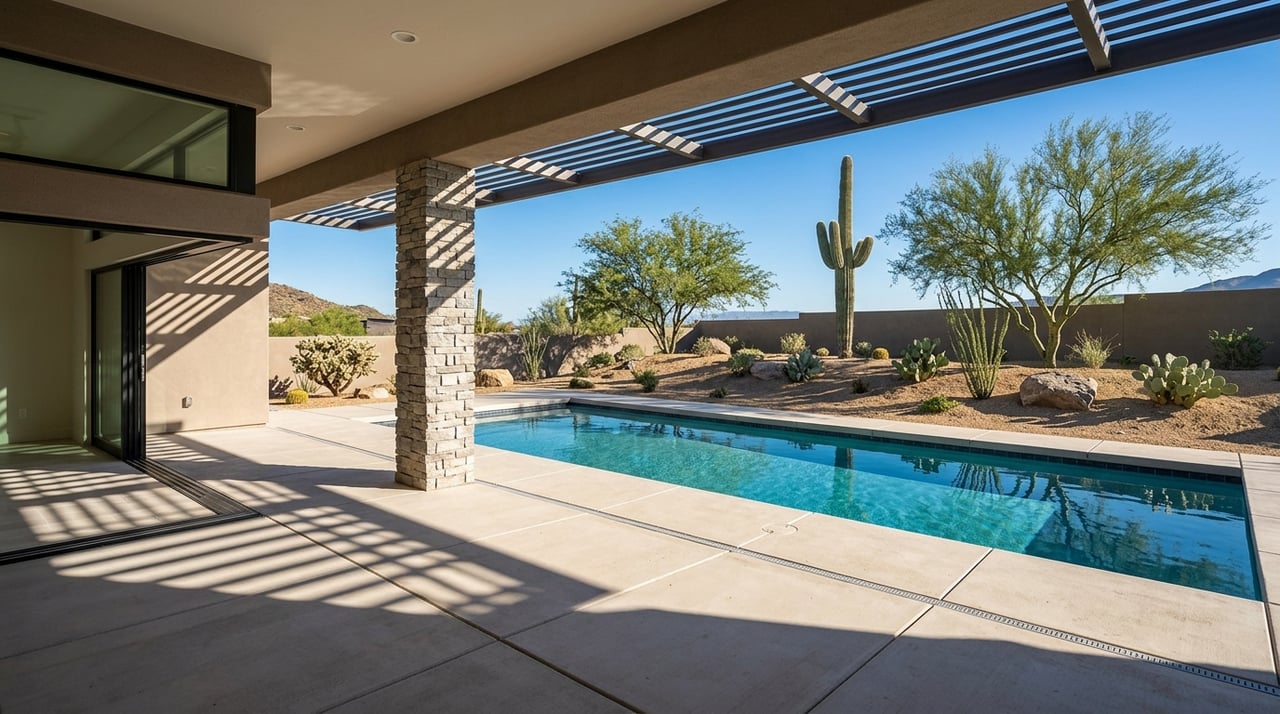
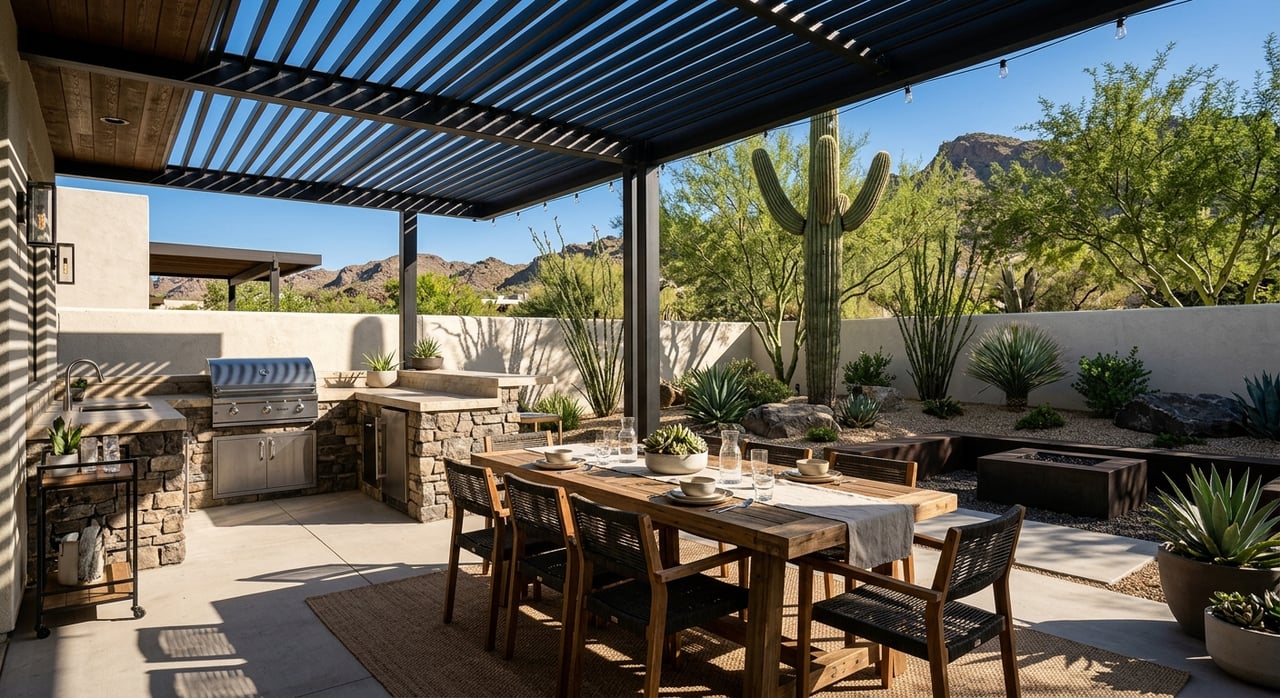
That planning history still shows up in how neighborhoods feel today. You see it in larger lots, stronger separation between homes, desert-integrated design, and roads that often frame the landscape rather than erase it.
The easiest way to compare Catalina Foothills enclaves is to look at four practical categories:
If you rank these in order before you tour homes, your search usually gets much clearer. A buyer who wants a club lifestyle may not be happiest on a large custom lot, while a buyer who wants more land and design individuality may not want a dense amenity setup.
La Paloma is a luxury master-planned community at the base of the Santa Catalina Mountains with 856 homes across ten sub-associations. Its club offerings include a 27-hole Jack Nicklaus Signature Design course, racquet facilities, a 24-hour athletic club, pools, a spa, and a strong social calendar.
If you want a more contained lifestyle with a broad menu of amenities nearby, La Paloma is one of the clearest examples in the Foothills. The sub-association structure can also matter, since the experience may differ depending on the section of the community you choose.
Ventana Canyon includes multiple neighborhoods inside and outside the main gate, which makes it broader than a single club-centered address. The club features 36 holes of Tom Fazio golf, racquets, dining, fitness, and wellness offerings.
That wider neighborhood mix gives buyers more than one way to enter the Ventana Canyon area. If you are drawn to golf and a foothills resort setting but want to compare different residential feels, this enclave deserves a close look.
Skyline Country Club centers around an 18-hole course and also offers practice facilities, a fitness center, tennis and pickleball courts, a resort-style pool, dining, and limited memberships. For some buyers, that combination creates a very clear lifestyle proposition.
If organized amenities and club access are high on your list, Skyline can be a strong fit. It can be especially useful to compare how much club use you realistically want against the tradeoffs in lot size, privacy, or maintenance expectations elsewhere.
Catalina Foothills Estates is one of the clearest expressions of the area's original planning philosophy. The design guidelines emphasize blending homes into the desert, protecting views, respecting natural drainage, and building within a defined envelope.
The historic vision also centered on large lots, privacy, desert preservation, and Spanish Colonial and Mission revival influences. If you are drawn to a more classic central foothills identity with stronger design review and a custom-home feel, these areas often rise to the top.
Coronado Foothills Estates includes 500 lots bordered by the Catalina Mountains, Skyline Drive, Swan Road, and Alvernon Way. The neighborhood also includes an 11-acre county wilderness park within the community.
This enclave can appeal to buyers who want an established setting with a defined neighborhood footprint. Its mission to preserve property values and neighborhood character also signals a place where continuity of appearance and setting matters.
The Catalina Foothills Association says its chartered area now exceeds 1,600 homes and is known for Catalina Mountain and city-light views. The core estates association also notes a central foothills area roughly within First Avenue, Hacienda del Sol, River Road, and Ina Road, which helps distinguish the older core from edge-oriented sections.
For buyers, that central foothills identity can be important. These areas often attract people who value legacy character, larger lots, and a setting that reflects the original Foothills vision more directly.
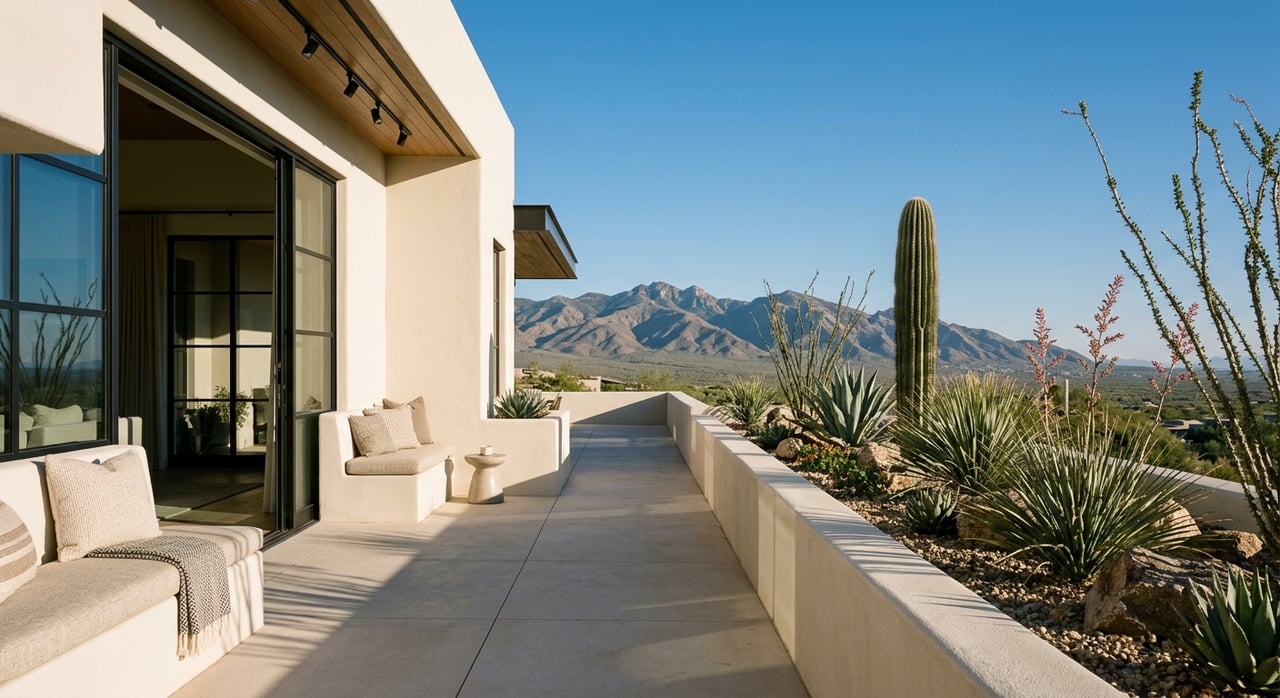
Foothills II is a small gated community known for city-light views to the south and Santa Catalina Mountain views to the north. Its entrance is about a mile north of Skyline Road, near the Finger Rock trailhead and Coronado National Forest.
If your ideal mornings start with trail access and your evenings end with big views, this kind of location can be compelling. It is a good reminder that some enclave choices are about daily rhythm as much as square footage.
Ventana Canyon also belongs in this category because its residential neighborhoods stretch beyond one club-focused experience. Some buyers look there first for the landscape, topography, and outdoor access, then decide how much they care about the club piece later.
That can be a smart approach if you are balancing scenery with convenience. Not every buyer wants the same level of social programming, but many still want strong foothills views and proximity to outdoor recreation.
Catalina Foothills is very much an outdoor-forward market. Pima County notes that its trail network is easily accessible from public trailheads, Sabino Canyon Recreation Area has more than thirty miles of trails, and nearby Catalina State Park offers hiking, biking, equestrian trails, and birding.
That matters because trail access is not just a weekend perk here. In many foothills enclaves, it becomes part of your daily routine and can influence where you feel most at home.
Even buyers focused on privacy or views still need practical day-to-day access. La Encantada at Skyline Drive and Campbell Avenue serves as a foothills retail and dining hub, which can make some central and south-facing enclaves feel especially convenient.
When comparing neighborhoods, think beyond the house itself. A location that trims down errand time or places dining and shopping more naturally into your routine may feel better over time than one that simply looks great on paper.
In the Foothills, architecture and site planning are not small details. The area's design history emphasizes privacy, preserved vegetation, view protection, and homes that fit the landscape rather than dominate it.
The Subregional Plan also notes hillside development zones that regulate protected peaks, ridges, and slopes of 15 percent or greater. For you as a buyer, that can mean a dramatic parcel may also come with more design sensitivity or building constraints, especially if you are considering land or a custom-build opportunity.
Many buyers begin with a simple question like, “Do I want a gated community?” In the Catalina Foothills, the better question is usually, “How much upkeep, oversight, and shared structure do I want?”
In general, lock-and-leave convenience is often strongest in sub-associations or villa-style products inside amenity-rich communities. By contrast, custom estate lots may offer more privacy, land, and view control, but they can come with more exterior responsibility and more property-specific considerations.
For some buyers, school assignment is an important part of enclave selection. The Catalina Foothills School District boundary map shows attendance areas by street and block and includes Canyon View, Catalina Foothills High, Esperero Canyon, Manzanita, Orange Grove, Sunrise Drive, Valley View, and Ventana Vista.
The key point is simple: do not assume school assignment from a neighborhood name alone. In this area, it is smart to verify attendance by exact property address during your search.
If you are trying to choose between foothills enclaves, use this quick framework:
This approach helps you compare neighborhoods by how they function, not just how they photograph. In a market as nuanced as the Catalina Foothills, that usually leads to better long-term decisions.
If you want help sorting through Foothills micro-markets, comparing enclave fit, or identifying the best options for a primary home, relocation move, second home, or custom-lot search, Evan Johnson can help you narrow the choices with clear, local guidance.
Stay up to date on the latest real estate trends.
Get assistance in determining current property value, crafting a competitive offer, writing and negotiating a contract, and much more. Contact me today so I can guide you through the buying and selling process.