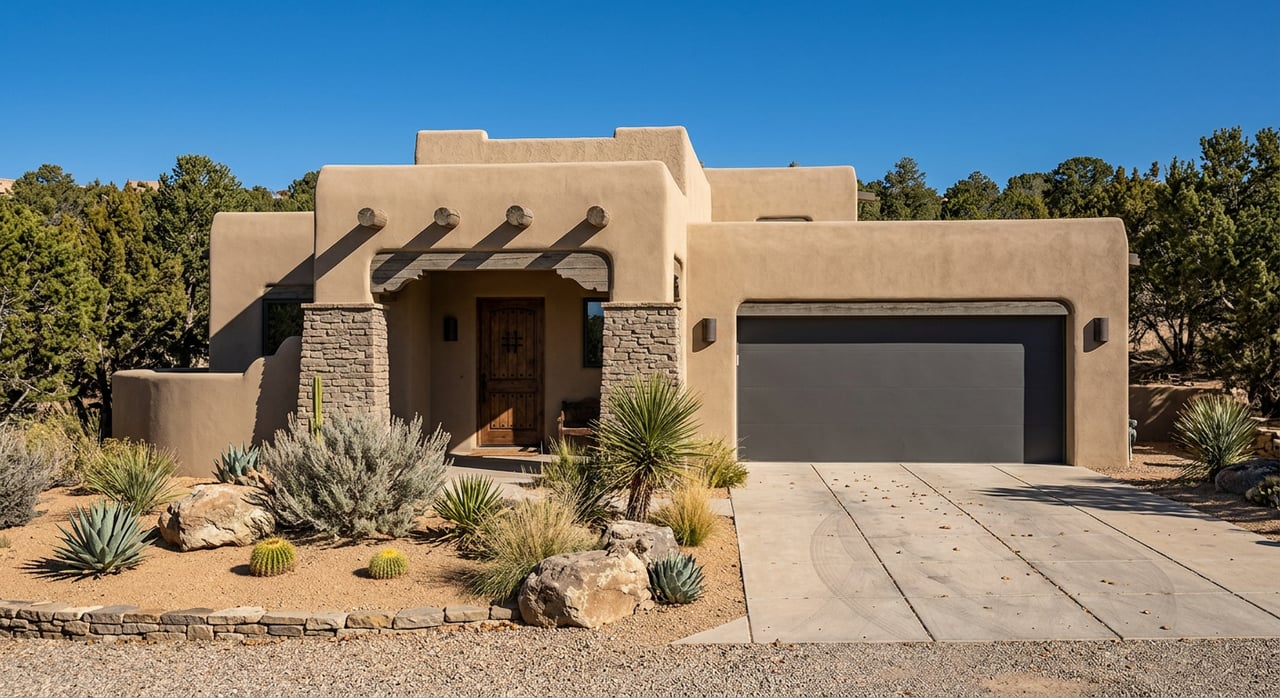
Relocating to the Catalina Foothills from Out of State
March 24, 2026
March 24, 2026
Thinking about trading long winters for Sonoran sunshine? If you’re relocating to the Catalina Foothills from out of state, you want confidence about neighborhoods, prices, commutes, and how to buy remotely without surprises. You’re not alone. Many buyers research from afar, plan a quick scouting trip, and close from their current home. In this guide, you’ll get a clear plan for the move, a feel for the area, and the practical steps to purchase smoothly. Let’s dive in.
The Catalina Foothills spans the gentle lower slopes of the Santa Catalina Mountains, just north of central Tucson. It’s a collection of distinct subdivisions and micro-neighborhoods, not one uniform place. Much of the area is unincorporated Pima County, so planning policies and many services are administered at the county level. You can review county special-area policies to understand the broader planning context for the Foothills on the Pima County site.
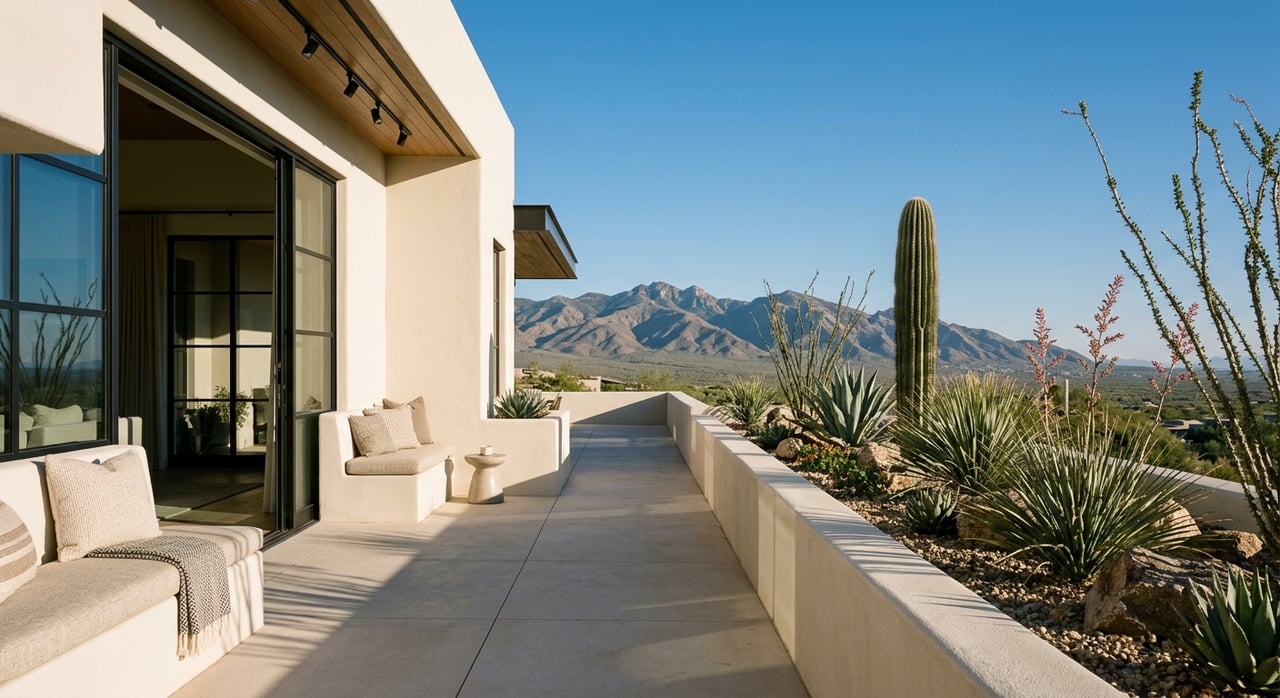
Living here gives you quiet residential streets with easy access to east–west corridors like River Road and Sunrise Drive. Outdoor recreation is a daily option. Sabino Canyon in Coronado National Forest offers hiking, biking, and tram access just minutes from many neighborhoods. Explore the area’s trailheads and visitor details through the Sabino Canyon recreation page.
Buyers drawn to the Foothills often value mountain and city-light views, privacy, and quick access to the University of Arizona, downtown Tucson, and medical centers. Families often look at the Catalina Foothills School District. Public transit is limited, so most residents rely on private vehicles for daily errands.
Market trackers consistently place Catalina Foothills as a higher-end Tucson submarket. As of early 2026, widely used market sources report median sale prices in roughly the mid-600s to low-700s, with luxury pockets well above $1 million. Median figures move month to month, and activity varies by price band. Lower-priced homes tend to sell faster, while larger estates can see longer market times.
Here’s a quick way to frame price tiers:
If you’re comparing neighborhoods, focus on specific streets and micro-areas. Homes a few blocks apart can have different view corridors, topography, and HOA rules that affect value and lifestyle.
From most Foothills addresses, you’re about 15 to 30 minutes to downtown Tucson and the University of Arizona, and roughly 20 to 40 minutes to Tucson International Airport, depending on route and traffic. These are useful ballpark ranges, but it’s smart to run a sample commute from a specific listing during peak hours. For a helpful overview of local drive times and area feel, review this regional neighborhood context.
Because much of the Foothills is unincorporated Pima County, you’ll encounter county-level services and rules in many cases. For property taxes, Pima County publishes timing, payment instructions, and lookups on the Property Taxes page. Effective tax rates vary by parcel and tax district, so review the exact parcel statement during due diligence.
For utilities, electricity is provided by Tucson Electric Power; get service details at Tucson Electric Power. Natural gas is commonly served by Southwest Gas. Water and wastewater vary by parcel and can include Tucson Water, Pima County utilities, private water companies, or a private well and septic system. Confirm the provider and setup for each property during your inspection and document review.
Arizona makes remote transactions practical. The state recognizes electronic records and signatures for most business transactions through the Arizona Electronic Transactions Act, so you can complete offers and disclosures online if all parties agree. You can read a plain-language overview of the electronic recording framework in this AETA resource.
Remote online notarization is also authorized in Arizona under rules from the Arizona Secretary of State. Many title companies support fully remote or hybrid eClosings. When using Remote Online Notarization, your identity is verified, the session is recorded, and documents are securely executed on an approved platform. Review the state’s guidance on Remote and E-Notary requirements to understand the basics.
Wire fraud targets real estate transactions, especially remote ones. Always confirm wiring instructions by calling the title company at a phone number from its official website. Never rely only on an email or text for wiring details.
When you have a curated shortlist, a quick in-person visit helps you move from “maybe” to “this is the one.”
Pro tips:
Use this list to stay focused during virtual and in-person reviews:
Relocating is about fit, not just price. You deserve clear guidance on micro-neighborhoods, a tight remote-to-in-person workflow, and a closing plan that works from wherever you are. With boutique, concierge-level service and deep Foothills expertise, Evan Johnson can help you shortlist the right homes, arrange efficient tours, coordinate inspections and HOA documents, and get you closed on your timeline. Schedule a Free Consultation to get a custom relocation plan for your move.
Stay up to date on the latest real estate trends.


Get assistance in determining current property value, crafting a competitive offer, writing and negotiating a contract, and much more. Contact me today so I can guide you through the buying and selling process.