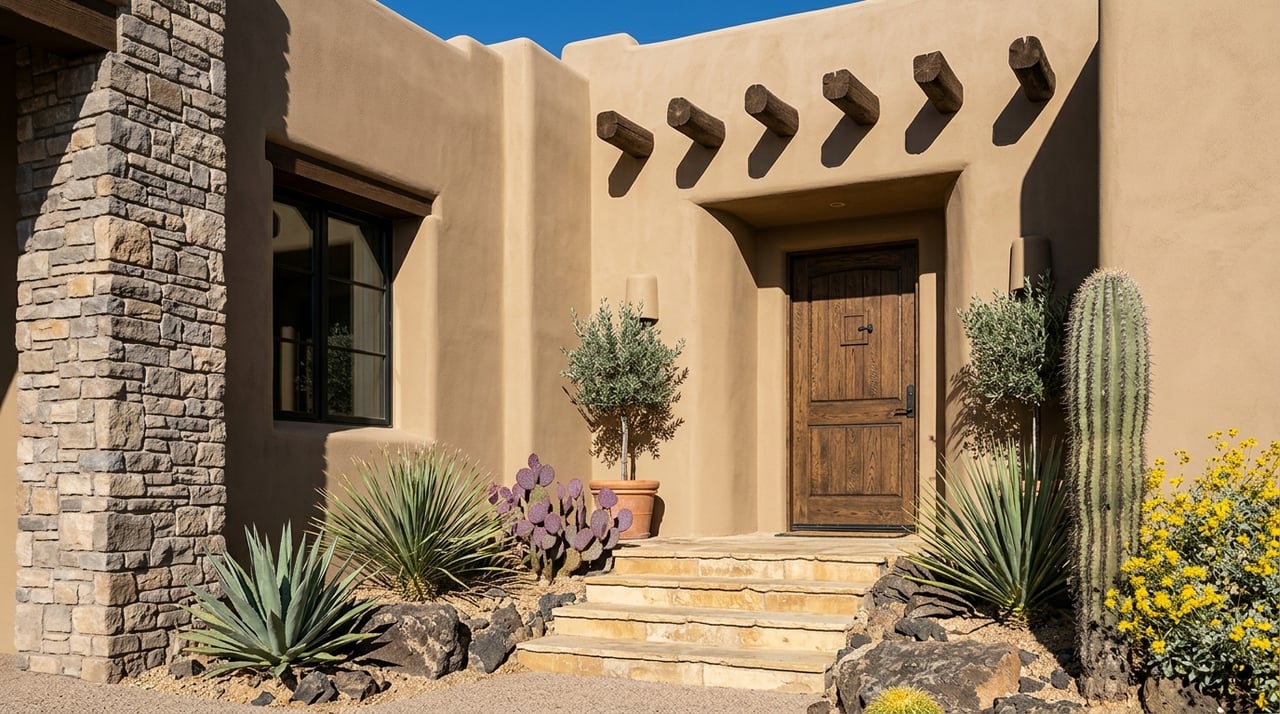
El Encanto vs Catalina Foothills: Which Area Fits You?
May 7, 2026
May 7, 2026
Trying to choose between El Encanto and the Catalina Foothills? You are not alone. Both areas offer a distinct Tucson lifestyle, but they feel very different once you look at layout, housing style, daily convenience, and the kind of setting you want to come home to. This guide will help you compare the two in a clear, practical way so you can decide which one better fits your priorities. Let’s dive in.
At a high level, El Encanto and the Catalina Foothills are not direct substitutes. El Encanto is a compact historic district in midtown Tucson, while the Catalina Foothills is a much larger foothills area with many different residential pockets.
That difference matters right away. If you want a clearly defined neighborhood with a strong visual identity, El Encanto stands out. If you want a broader range of settings, lot sizes, and home experiences, the Catalina Foothills offers more variation.
El Encanto was primarily built between 1929 and 1961, and the City of Tucson identifies it as a historic district listed on the National Register of Historic Places. Its design follows a formal curvilinear plan inspired by City Beautiful planning ideas.
In everyday terms, that creates a very specific neighborhood feel. You see a central circular park, radiating streets, palm-lined landscaping, and a mix of grand views and quieter, tucked-away streets. Some parts feel open and stately, while others feel more private and intimate.
Because El Encanto began as a 123-acre subdivision with 152 lots, it reads as one cohesive place rather than a collection of unrelated sections. Most lots are irregularly shaped and largely intact, which helps preserve the neighborhood’s original character.
The Catalina Foothills is much broader in scale. The City of Tucson’s subregional plan treats it as an approximately 90-square-mile foothills area with low- and very low-density residential development, along with commercial and resort uses.
That means the Foothills experience changes from one area to another. Some pockets feel highly private and spacious, while others sit closer to commercial nodes or major corridors. The plan also emphasizes scenic resources, open space protection, washes, wildlife habitat, and trail access to Coronado National Forest.
If you are drawn to a setting shaped by terrain, desert views, and a more spread-out pattern of development, the Foothills will likely feel more aligned. It is less about one single neighborhood identity and more about choosing the right enclave within a large area.
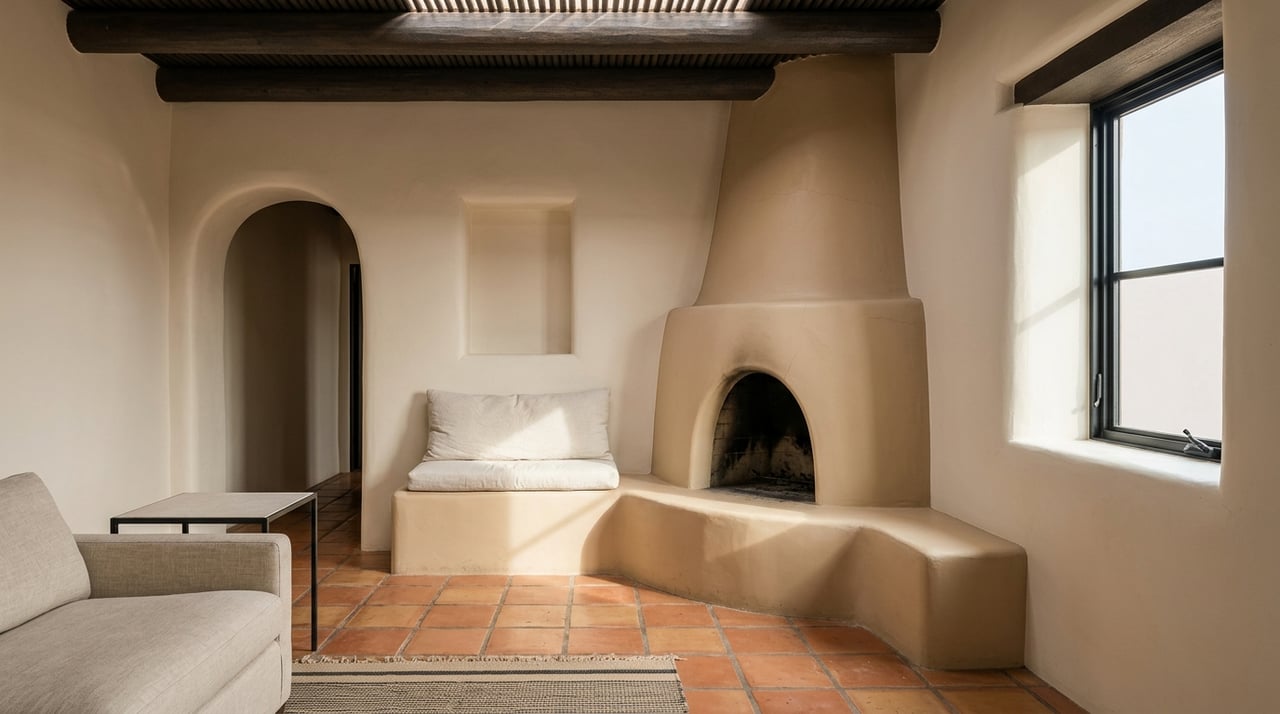
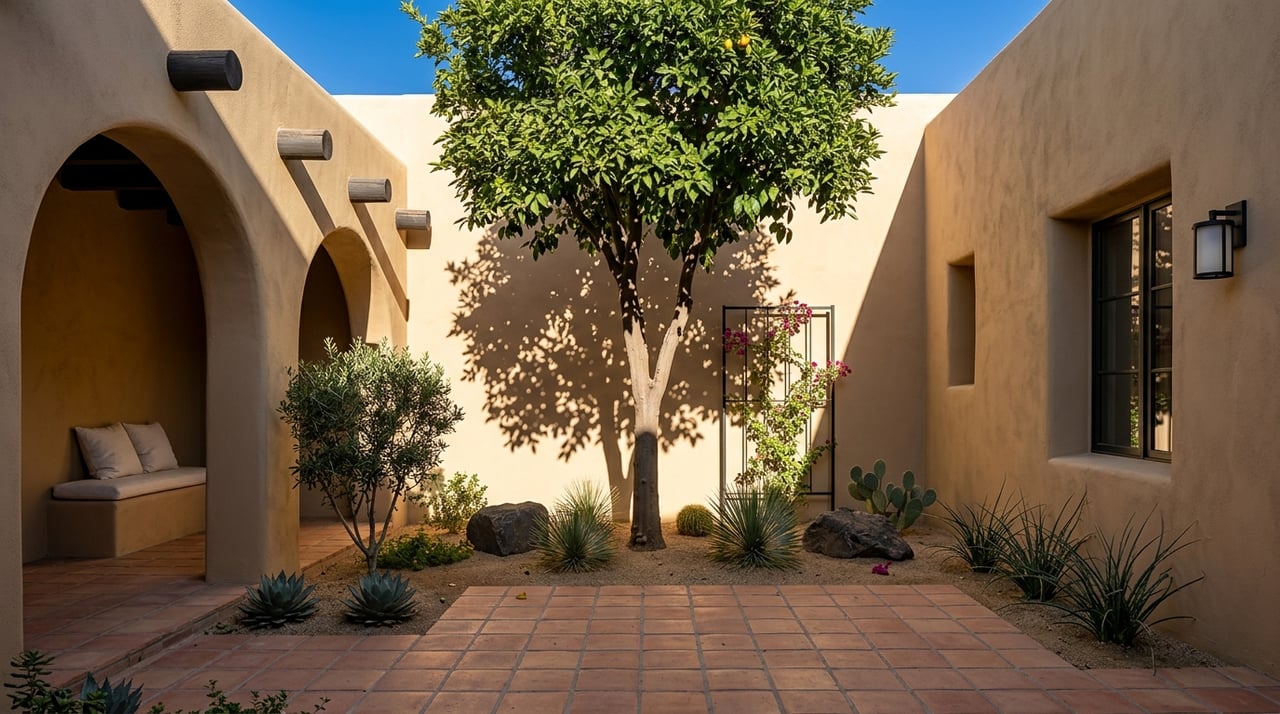
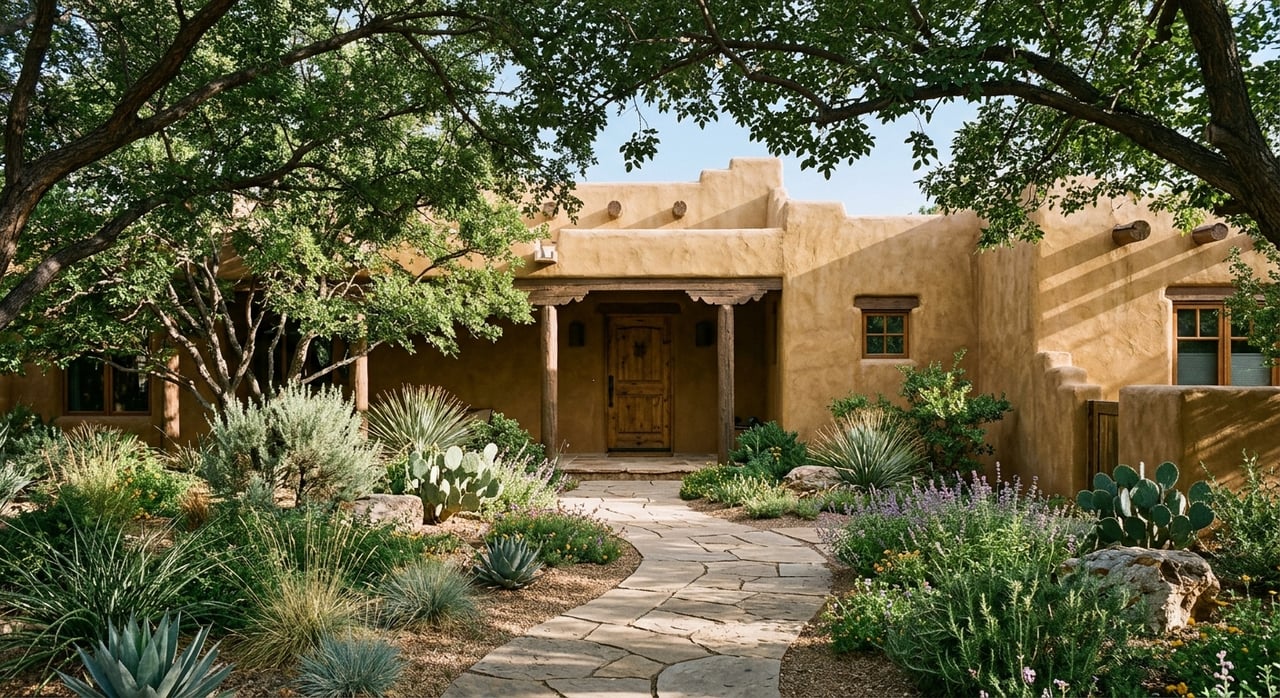
El Encanto offers a relatively consistent historic palette. According to the historic district documentation, the neighborhood includes Spanish Colonial Revival, Mission, Pueblo Revival, Ranch, Modern, and Split Level homes.
Even with that mix, the area still feels coherent. The homes were developed within a defined subdivision pattern, so buyers often see a stronger sense of architectural continuity than they would in a large, multi-area market.
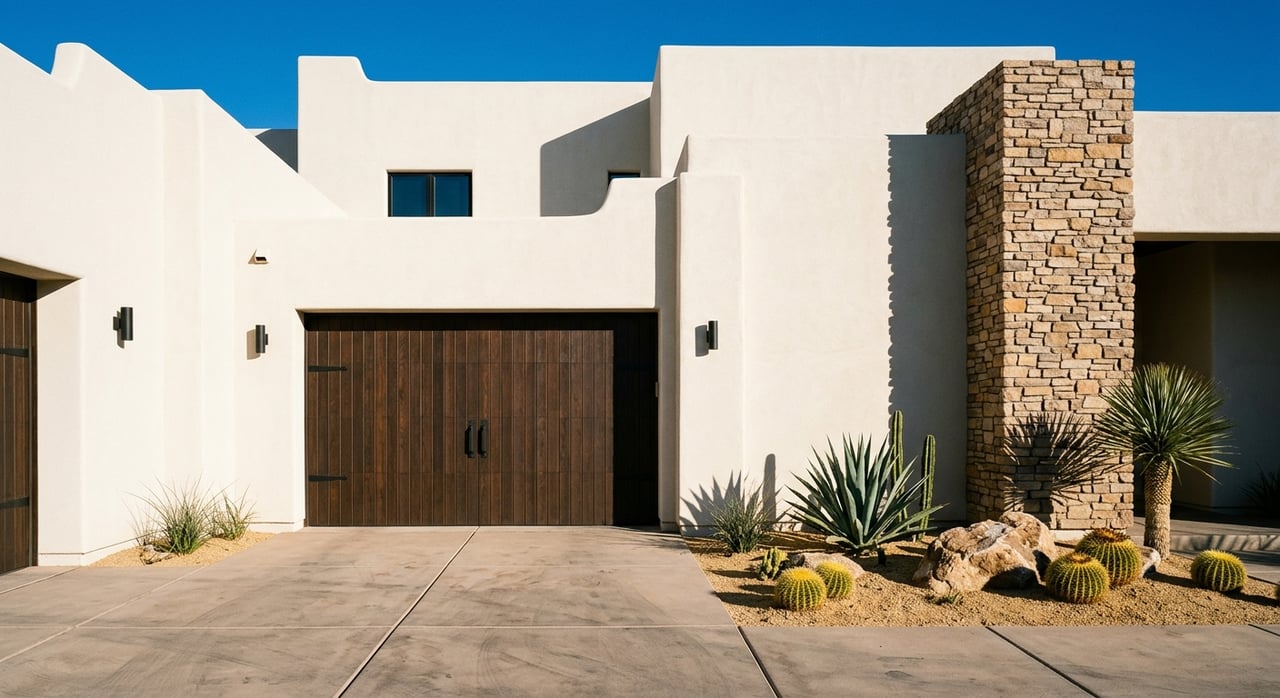
The Catalina Foothills offers more housing variety overall. Since it is not a single subdivision, lot scale, density, privacy, and home style can vary much more from one section to another.
The subregional plan describes low-density residential development across much of the area, very low-density housing in the eastern portion, and higher-density or mixed uses near I-10. Special-area policies also shape what gets built in different places, including restrictions tied to density, building height, screening, and buffering.
If you want more housing variety, Catalina Foothills is the stronger match. If you want a more unified neighborhood character, El Encanto is usually the better fit.
That is one of the clearest distinctions between the two. El Encanto feels curated by its historic plan, while the Foothills feels broader, more flexible, and more dependent on the exact pocket you choose.
El Encanto sits along Broadway Boulevard, Country Club Road, and Fifth Street. Over time, those edge streets became higher-volume thoroughfares, but the neighborhood itself remains internally quiet and cohesive.
That layout creates a practical balance for many buyers. You get a compact central-Tucson setting, with shopping development along the edges rather than commercial uses spread throughout the neighborhood.
In the Catalina Foothills, convenience is more dispersed. The plan highlights commercial service nodes along major arterials and scenic gateway routes instead of a compact neighborhood retail core.
For many buyers, that means errands are usually more car-oriented and spread out across a wider area. The tradeoff is that the broader layout often supports a more open, lower-density feel.
If your top priority is central-city convenience and compact geography, El Encanto is easier to frame as the simpler everyday choice. If you are comfortable with a more spread-out pattern in exchange for foothills character, the Catalina Foothills may feel worth it.
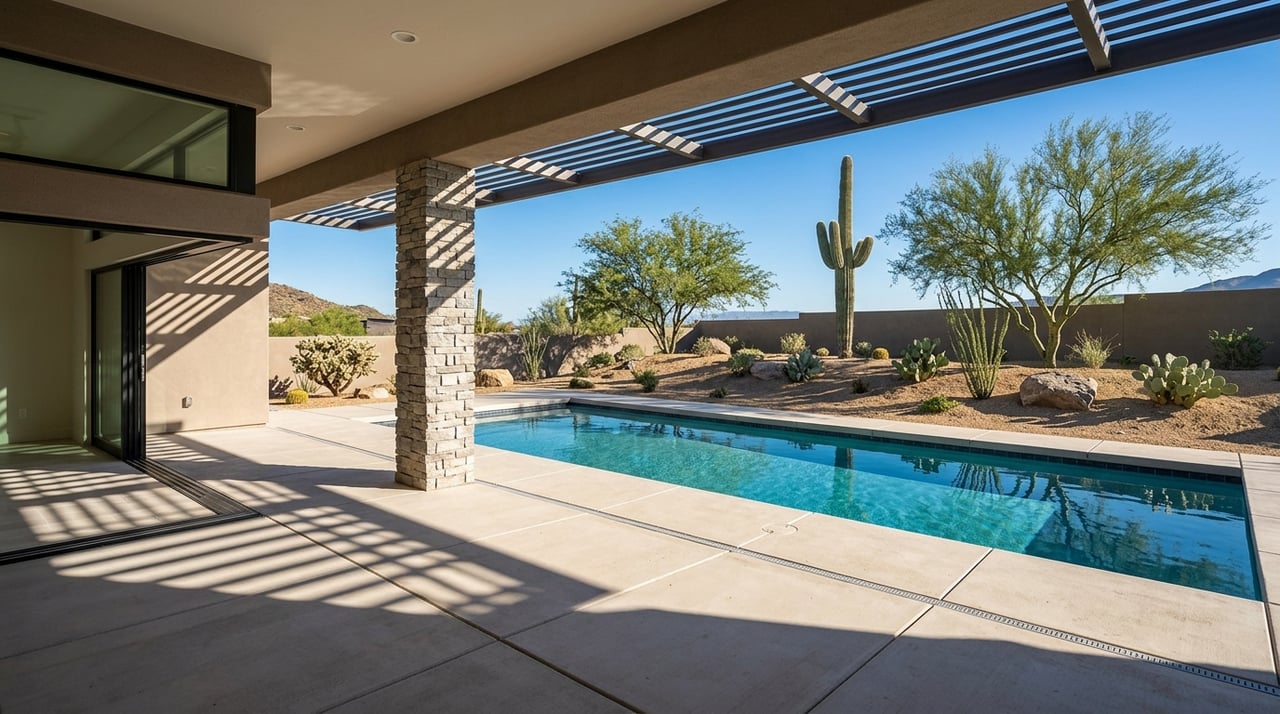
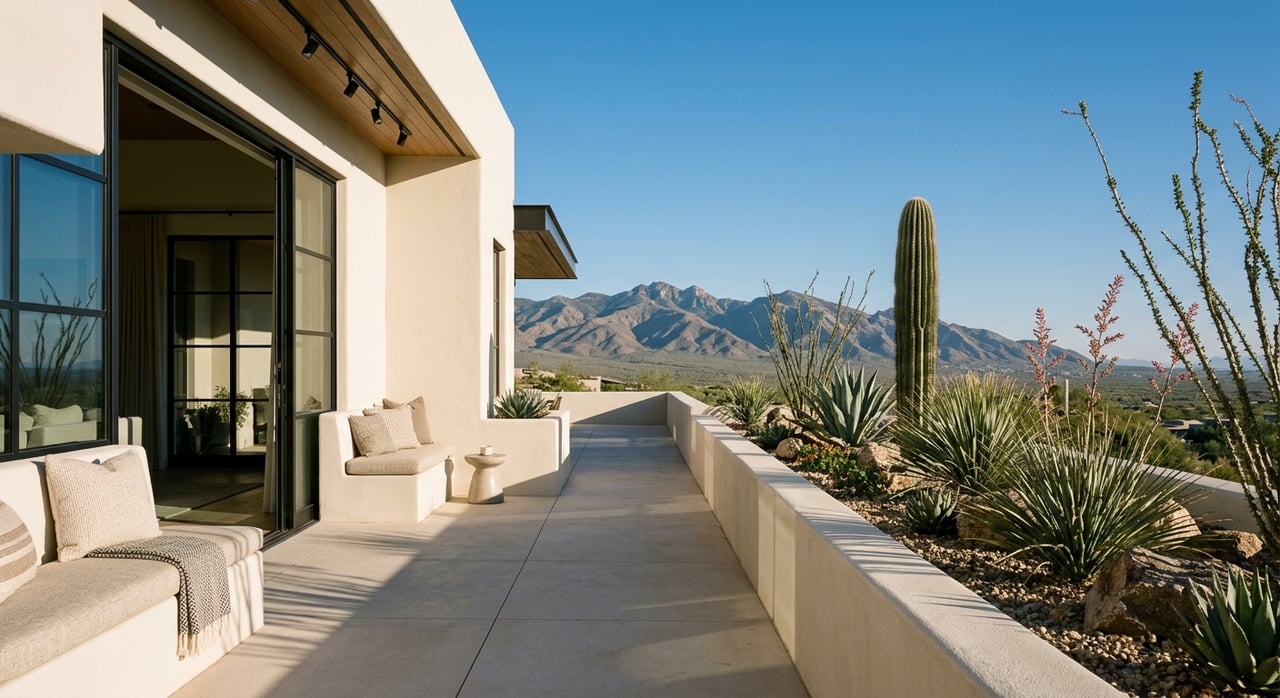
This is where the Catalina Foothills has a clear edge for many lifestyle buyers. The subregional plan explicitly prioritizes scenic resources, open space, washes, wildlife habitat, and trail access to Coronado National Forest.
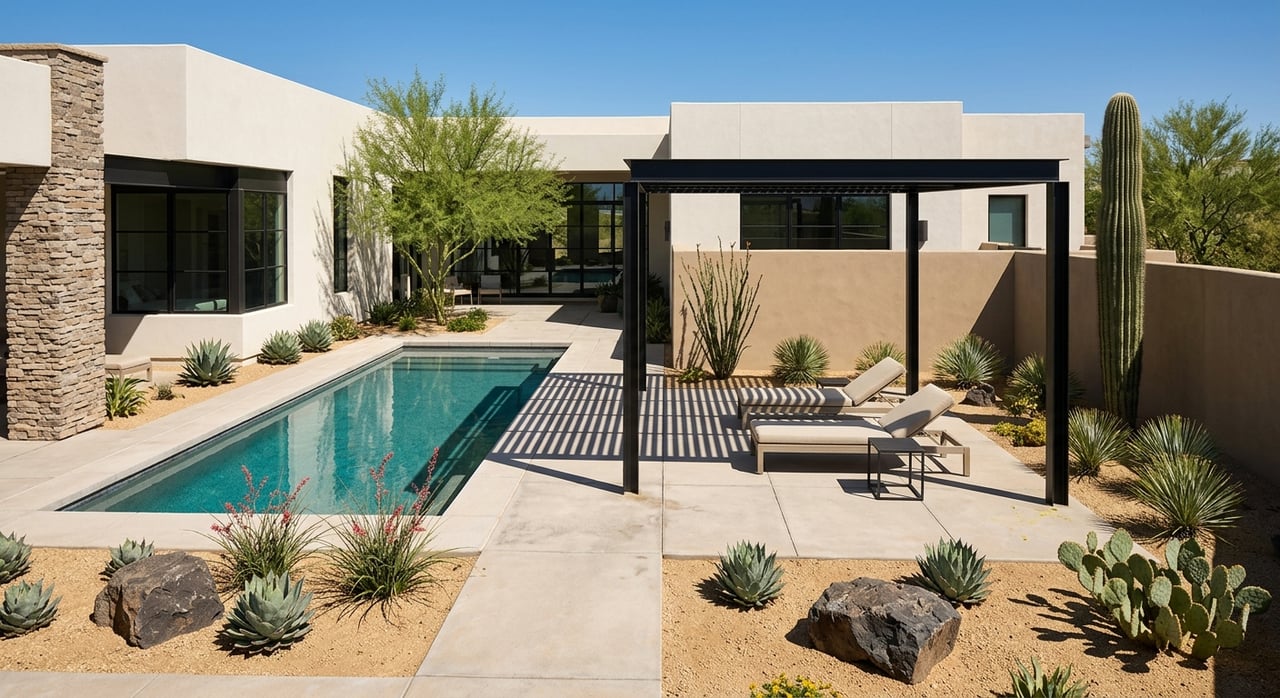
If your ideal home search includes views, desert setting, and easy proximity to outdoor recreation, the Foothills has the stronger story. The area is built around the landscape in a way that is hard to replicate in a compact central neighborhood.
El Encanto offers something different. Its appeal is more about mature landscaping, historic design, and a classic midtown setting than a view-and-trail lifestyle.
For broad market context, the Catalina Foothills CDP shows a 2020 to 2024 median owner-occupied home value of $652,000. The same Census profile reports a median household income of $115,304 and an owner-occupied housing rate of 76.4%.
Those figures are best viewed as area-wide context, not as direct pricing for every foothills enclave. The Catalina Foothills covers a large geography, so values and property characteristics can vary significantly depending on location, lot, and home type.
The research provided here does not include a comparable area-wide value benchmark for El Encanto. That means the better comparison is not a simple price race, but a question of neighborhood form, housing character, and lifestyle fit.
El Encanto may be the better fit if you want:
For many buyers, El Encanto works best when the neighborhood itself is part of the appeal. You are choosing a specific historic district, not just a general area.
Catalina Foothills may be the better fit if you want:
This is often the stronger match for buyers who are prioritizing landscape, space, and the feel of the foothills over a compact historic neighborhood structure.
If you are still torn, start with the setting you want to experience most days. Do you picture yourself in a classic, defined midtown neighborhood with historic character and a compact footprint? Or do you picture a more expansive desert setting with greater variation, privacy, and access to trails and open space?
That question usually points you in the right direction faster than comparing features one by one. El Encanto is the more historic and centrally oriented choice. Catalina Foothills is the more varied, scenic, and lifestyle-driven foothills choice.
If you want help narrowing down the right foothills pocket or comparing El Encanto with other Tucson luxury and lifestyle markets, Evan Johnson offers concierge-level guidance rooted in local neighborhood expertise and a highly personalized approach.
Stay up to date on the latest real estate trends.
Get assistance in determining current property value, crafting a competitive offer, writing and negotiating a contract, and much more. Contact me today so I can guide you through the buying and selling process.