Buying A Historic Home In Tucson's El Encanto
May 21, 2026
May 21, 2026
If you are drawn to historic homes, El Encanto can feel like a rare find in Tucson. The neighborhood offers a strong sense of place, distinctive architecture, and a setting where the house, lot, and streetscape all matter together. If you are thinking about buying here, it helps to know what makes the area special, what to inspect closely, and which local rules may affect your plans. Let’s dive in.
El Encanto Estates is a National Register historic district in Tucson. It was first listed in 1988, with later amendments in 1993, 1994, and 2002, and its period of significance runs from 1929 to 1961. That historic status reflects both the homes and the neighborhood layout.
City materials describe El Encanto as a distinctive subdivision with a central park, curving streets, preserved curbing, and mature palm-lined landscaping. The neighborhood plan also notes its low-density pattern, lush vegetation, and variety of well-kept residences. For you as a buyer, that means the appeal is bigger than any one property.
In El Encanto, you are not just buying square footage or finishes. You are also buying into a historic setting shaped by generous lots, open front-yard patterns, and long-standing design consistency. That broader setting can have a real impact on how a property looks, feels, and holds its character over time.
The original deed restrictions filed in 1929 required architectural review by M. H. Starkweather, and district records say that review continued into the 1970s. That helps explain why the streetscape still feels cohesive even though homes were built across several decades and by different architects.
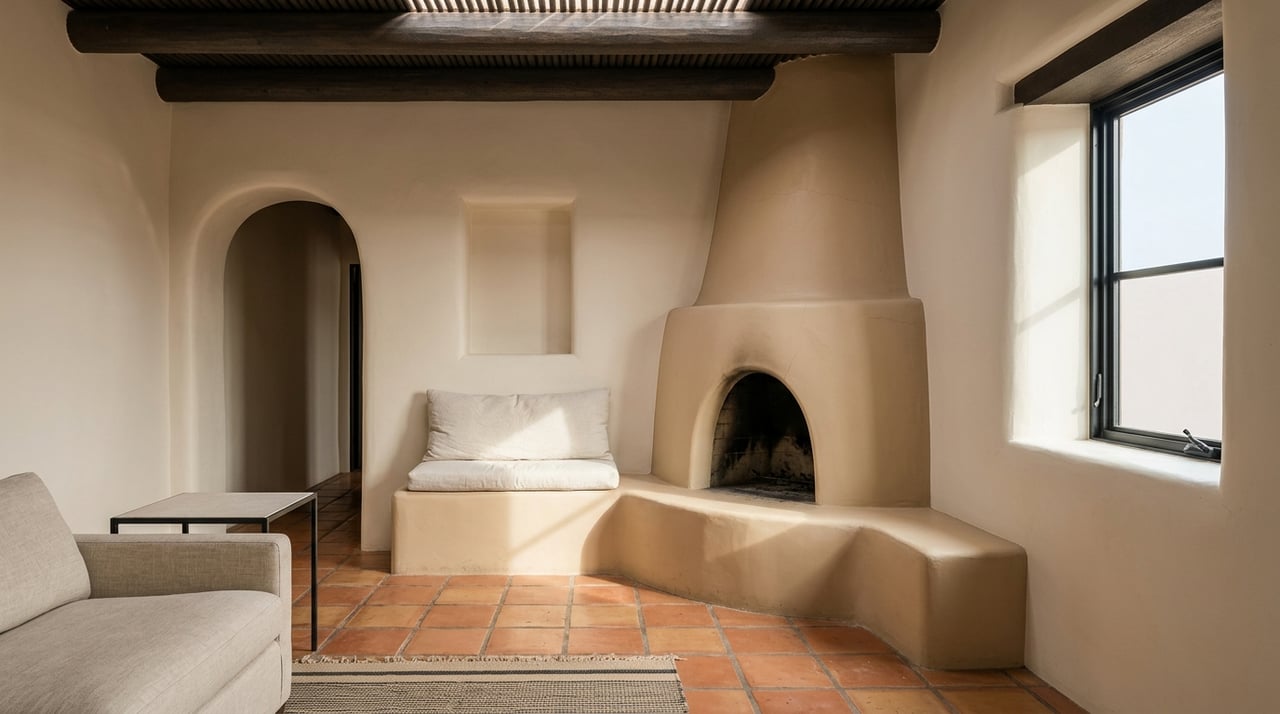
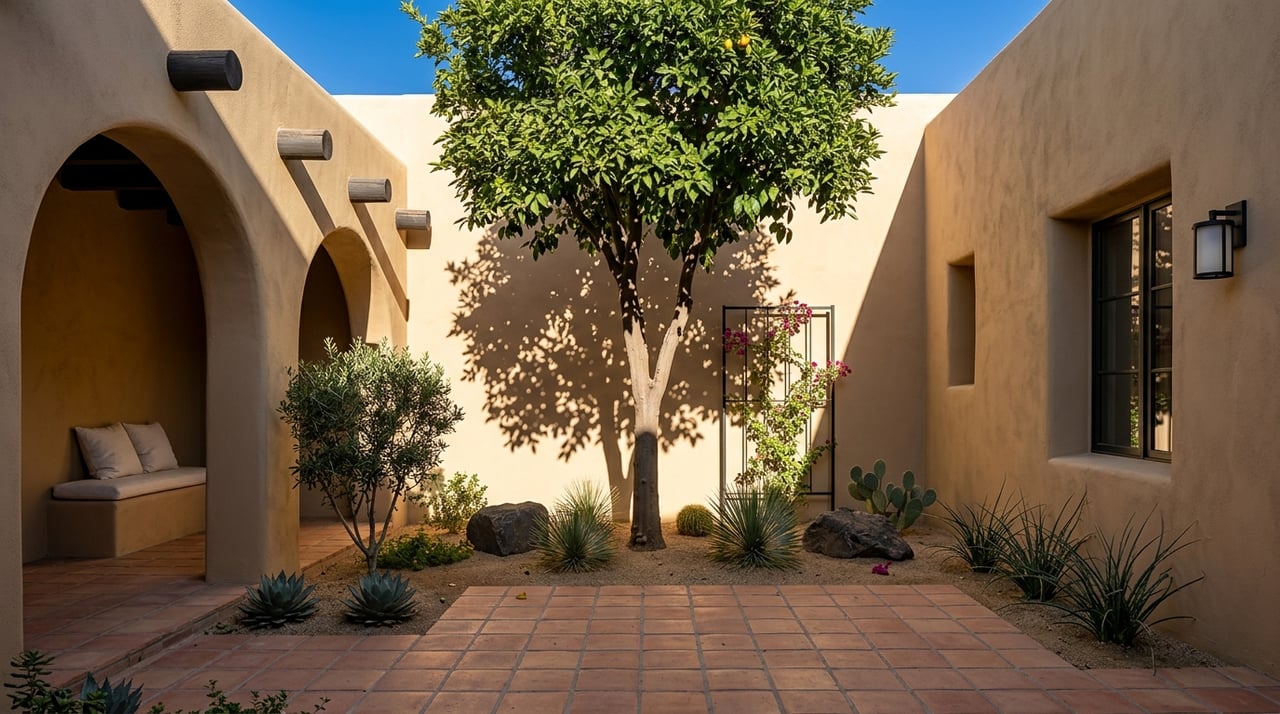
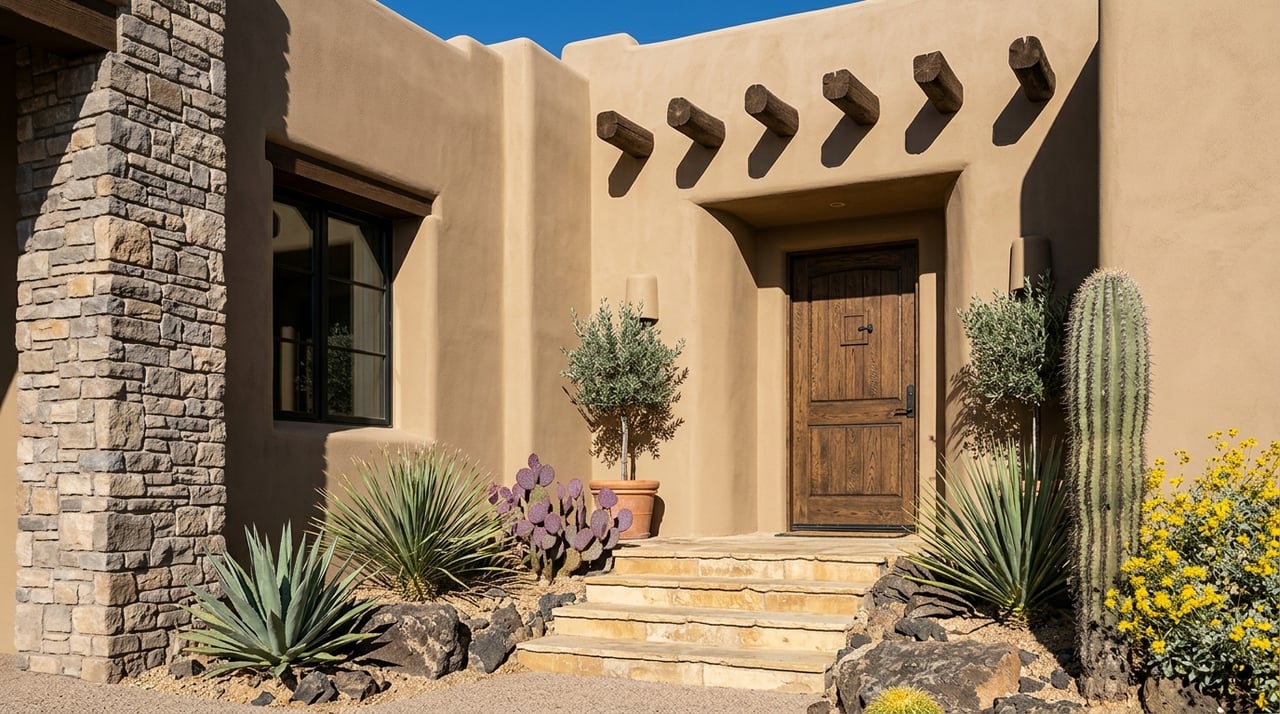
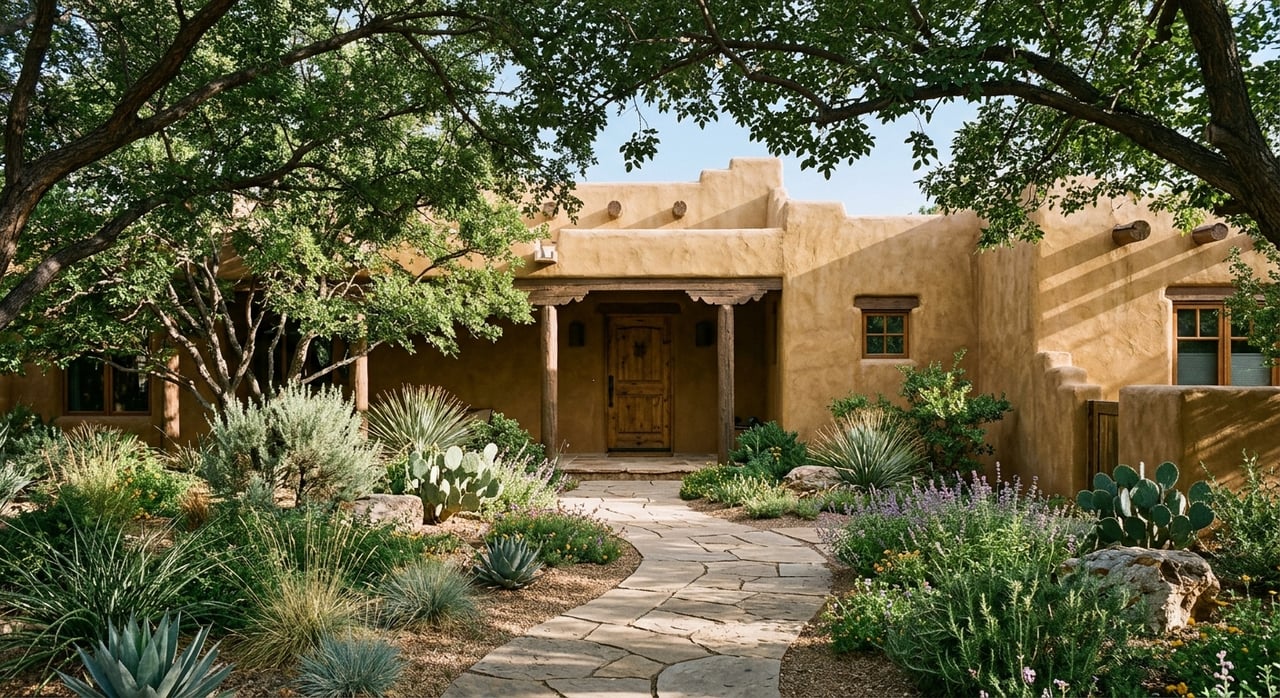
El Encanto’s early homes were intended as upscale Southwestern Revival residences. Later construction added Ranch, Modern, Sonoran Revival, split-level, and Neoclassical Eclectic examples. Many of the postwar homes were architect-designed, which adds to the neighborhood’s visual interest.
That variety is part of the charm. You may see homes from different eras, but they often still relate well to the surrounding streetscape because of lot placement, massing, and design choices that respect the neighborhood pattern.
Many homes in El Encanto include details that help define the district’s character. Features buyers are likely to notice include:
These details matter because they often contribute to the home’s historic appearance. If you are comparing properties, it is worth looking at how much of this original character remains intact.
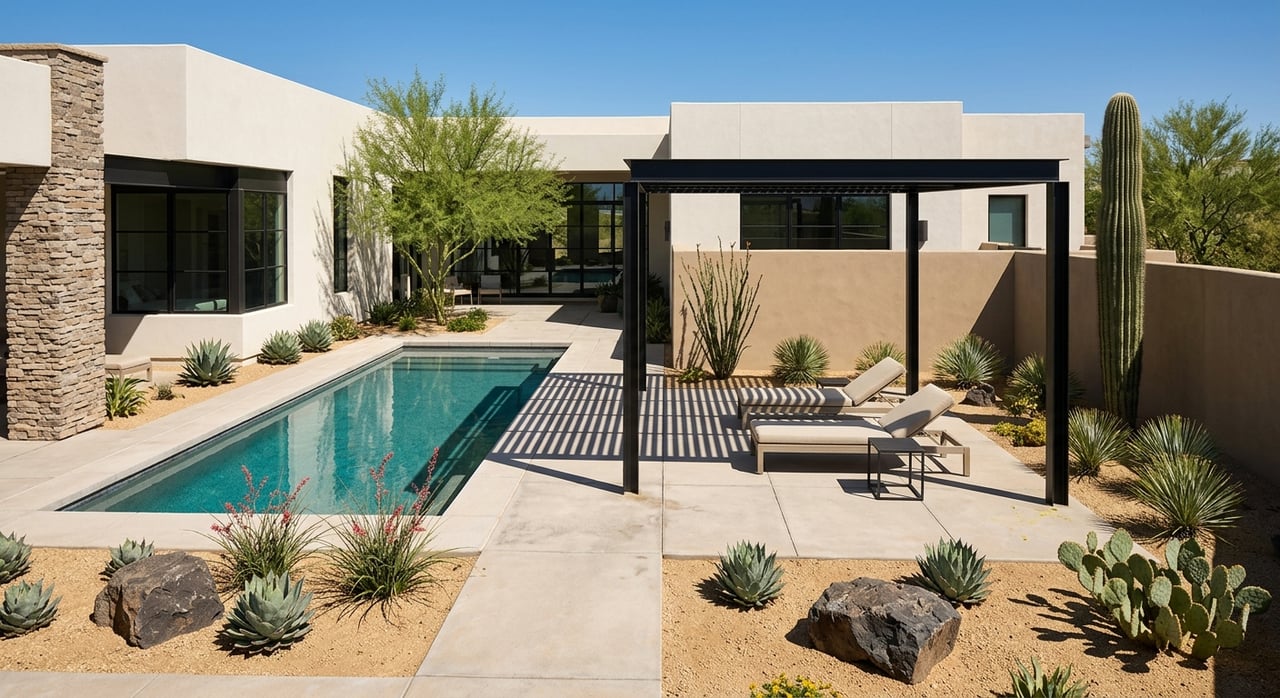
One of the biggest mistakes buyers can make in a historic district is focusing only on the house. In El Encanto, site character is a major part of the overall value and appeal. District documentation emphasizes irregular but generous lots, low curbs, mature palms, desert plantings, and an open front-yard feel.
That means your evaluation should include more than the interior floor plan. Look at how the home sits on the lot, how visible later additions are, and whether the outdoor setting still supports the neighborhood’s historic character.
A standard home inspection is still essential, but older homes often call for a more focused approach. In El Encanto, homes vary by age, style, and degree of alteration, so it is smart to think in terms of both general inspection and targeted follow-up.
The building envelope deserves close attention. That includes the roof, windows, masonry or stucco surfaces, and drainage around the home. These elements affect both condition and long-term maintenance.
If the property has older materials or visible wear, ask follow-up questions early. Repairs to character-defining features can be more nuanced than work on a newer home, especially if you hope to maintain the original look.
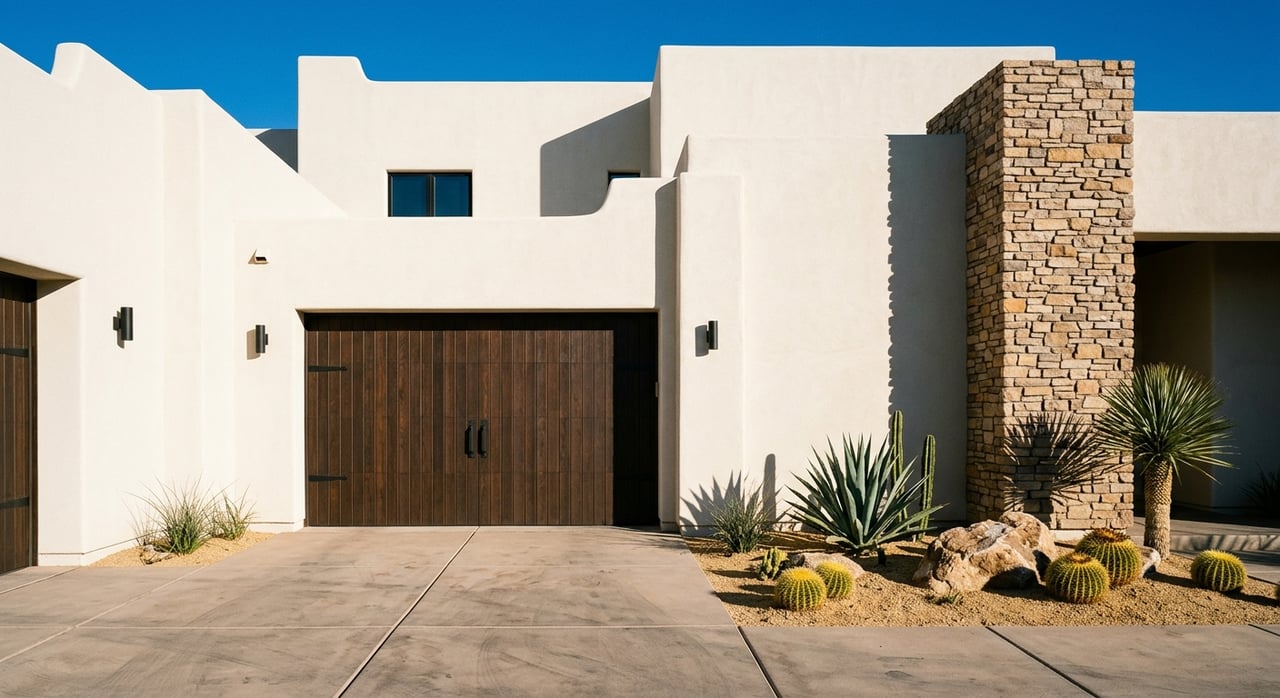
District history shows that later changes tended to work best when they were modest, kept most of the primary facade intact, and placed additions or garages to the side or rear. Because of that, carport-to-garage conversions, visible additions, and altered front elevations deserve extra scrutiny.
If a property has been expanded or reworked over time, look closely at how those changes affect both function and overall compatibility. A well-integrated update may feel seamless, while a more prominent alteration can change the way the home relates to the street.
Before you make plans for renovations, verify permit history and private restrictions tied to the property. Tucson notes that a city permit does not override HOA CC&Rs or other private deed restrictions. That is an important detail in a neighborhood with a long history of design oversight.
Tucson also states that some work may be permit-exempt, such as same-size window or door replacements and same-type roof surface replacements, unless structural work is involved or the property is in a Historic Preservation Zone. Siding installation or replacement requires a permit. Since El Encanto is on the National Register list and not listed by the city as one of its HPZ overlays, it is still wise to confirm parcel-specific requirements before assuming what is allowed.
If you buy in El Encanto, you may want to update systems, improve comfort, or make cosmetic changes over time. The best approach is usually one that protects what gives the home and neighborhood their historic appeal.
A practical rule of thumb is to favor reversible or minimally visible improvements, especially on street-facing elevations. Working with existing openings, keeping additions subordinate, and avoiding oversized new elements are all approaches that align with the district’s documented design values.
This also fits the neighborhood’s open front-yard pattern. Improvements that preserve the relationship between the house, lot, and street are often more consistent with what makes El Encanto feel distinct.
Rehabilitation guidance for historic properties emphasizes retaining historic character, preserving distinctive materials and workmanship, and repairing features rather than replacing them when possible. When replacement is necessary, the new feature should match the old in design, color, texture, and, where possible, materials.
For you as a buyer, that means original windows, stucco detailing, roof materials, and entry features can carry extra weight. A home that has kept these elements may offer a stronger historic feel than one that has been heavily altered.
Historic designation can be confusing, so it helps to separate a few things. El Encanto is a National Register historic district, but Tucson’s city historic preservation overlays are a different system. Arizona State Parks notes that National Register listing alone does not prevent an owner from remodeling, repairing, altering, selling, or even demolishing a privately funded property.
Still, that does not mean every property follows the same path. Private deed restrictions may apply, and parcel-specific facts matter. If you are considering future work, confirm the rules that affect the exact property before closing.
Arizona also offers a State Historic Property Tax program for eligible National Register properties used for non-income-producing activities. For owner-occupied homes, the program requires a 15-year agreement, typically reduces property taxes by about 35% to 45%, and requires the owner to contact SHPO before work that affects the property’s public appearance. Applications are filed with the county assessor by June 30 for the following tax year, and enrollment is not automatic.
El Encanto can be an excellent fit if you value architectural character, established landscaping, and a neighborhood with a strong visual identity. It may be especially appealing if you appreciate homes where original materials, lot layout, and streetscape still play a major role in daily experience.
At the same time, buying here calls for careful due diligence. The smartest purchases usually come from understanding the home’s condition, prior alterations, permit history, and any tax or preservation rules tied to the specific parcel.
If you are considering a historic home in El Encanto, working with a local advisor who understands Tucson’s neighborhood differences can make the process much smoother. For personalized guidance on El Encanto and other distinctive Tucson neighborhoods, connect with Evan Johnson.
Stay up to date on the latest real estate trends.
Get assistance in determining current property value, crafting a competitive offer, writing and negotiating a contract, and much more. Contact me today so I can guide you through the buying and selling process.