Discover El Encanto Architecture and Lifestyle
May 14, 2026
May 14, 2026
Looking for a Tucson neighborhood where the home, the street, and the garden all feel designed as one? El Encanto stands out for exactly that reason. If you are drawn to historic character, mature landscaping, and a streetscape with a sense of order and grace, this neighborhood offers a lot to appreciate. Let’s take a closer look at what gives El Encanto its lasting charm.
El Encanto Estates is a National Register historic district in Tucson. According to the City of Tucson, most homes in the district were built between 1929 and 1961, and the neighborhood was planned with a formal, curving layout rather than the more typical post World War I grid.
That planning choice still shapes the experience of the neighborhood today. A central circular park, curved streets, and coordinated landscape features give El Encanto a visual rhythm that feels intentional from the moment you enter.
In practical terms, El Encanto reads less like a random collection of homes and more like a complete residential composition. The streetscape, architecture, and planting patterns work together, which is a big part of why the neighborhood leaves such a strong impression.
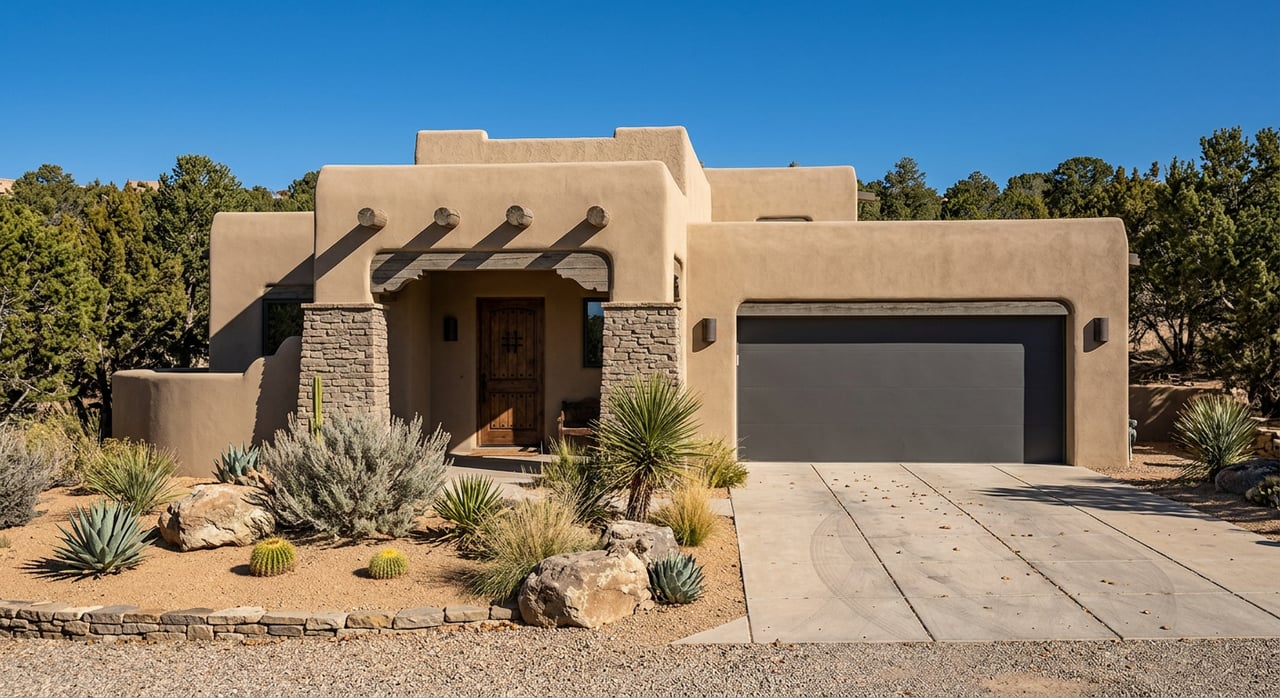
One of El Encanto’s strengths is that it is not limited to a single architectural style. Historic district documentation shows that the neighborhood includes Southwestern Revival, Ranch, Modern, Split-level, Sonoran Revival, and Neoclassical Eclectic homes.
That may sound like a broad mix, but the neighborhood still feels visually connected. The shared scale, placement of homes on their lots, and long-standing design review tradition help different styles sit together in a way that feels balanced rather than scattered.
For buyers who appreciate character, this variety can be a real advantage. You are not looking at a neighborhood of copy-and-paste homes. Instead, you see distinct properties that still contribute to a unified streetscape.
Across the district, certain features appear again and again. Historic descriptions point to low-pitched or overhanging roofs, extended horizontal massing, grouped windows, and side-facing garages or carports that keep the front elevation more elegant and less dominated by vehicles.
Those details matter because they shape how the street feels as a whole. The homes tend to present themselves with restraint, and that gives the neighborhood a polished, residential look.
Some of Tucson’s notable designers are associated with El Encanto, including Josias Joesler, Henry O. Jaastad, Arthur T. Brown, Anne Jackson Rysdale, and Merritt H. Starkweather. Their connection adds another layer of architectural interest for anyone who values local design history.
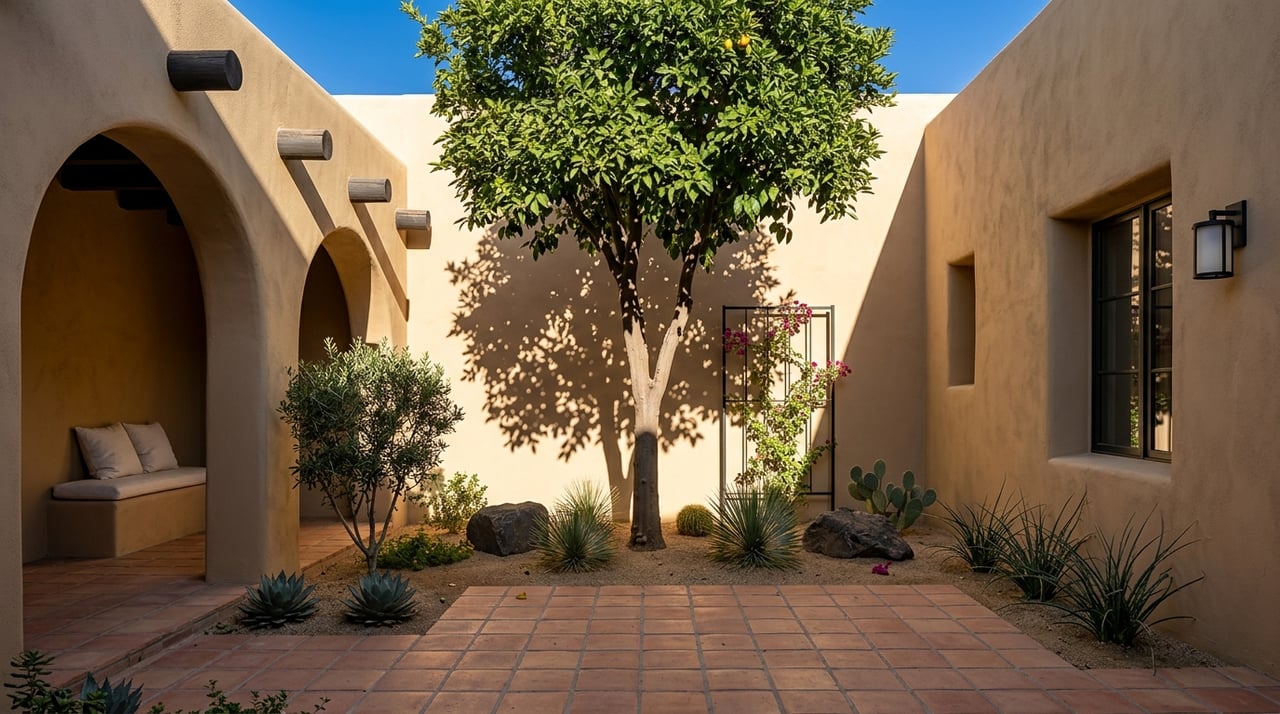
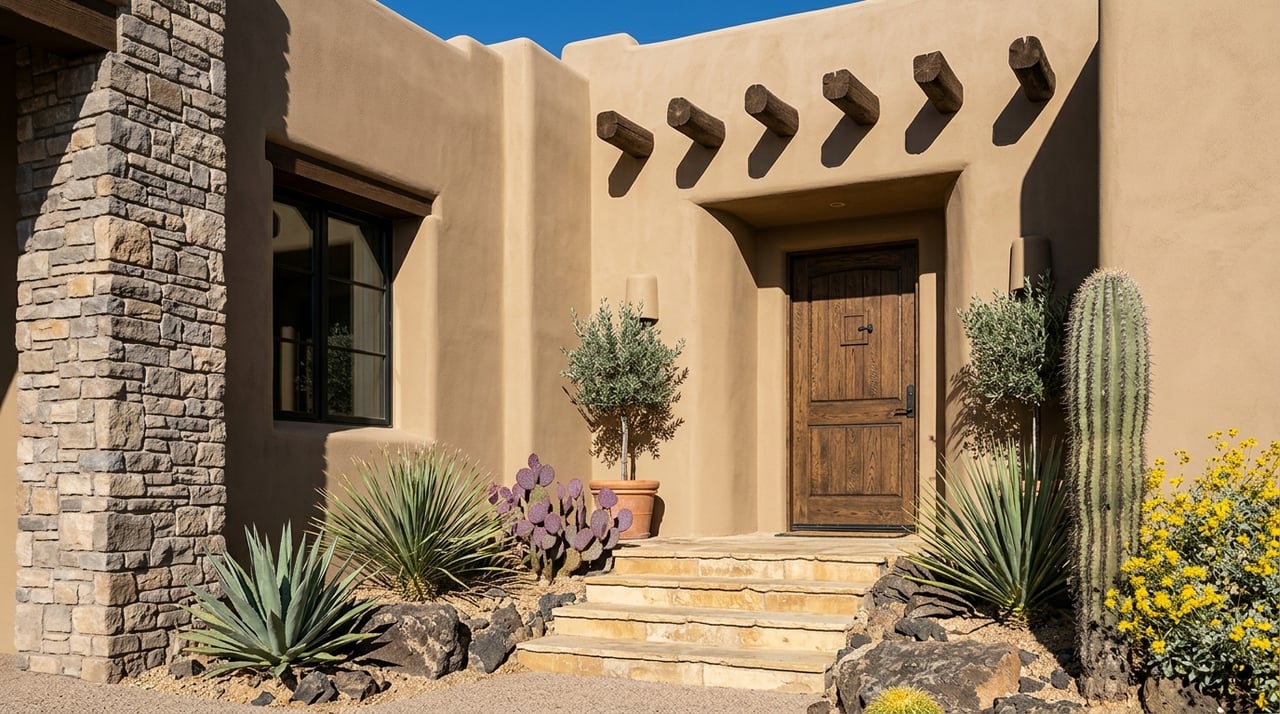
Spanish Colonial Revival homes are an important part of El Encanto’s visual identity. The City of Tucson style guidance highlights features such as red clay roof tiles, smooth stucco walls, arched casement windows, curved parapets, and decorative entryways.
These homes bring warmth and texture to the neighborhood. The combination of stucco, tile, and shaped openings feels especially fitting in Tucson’s climate and landscape.
If you love homes with presence but not excess, this style often hits the sweet spot. It feels historic and expressive while still being closely tied to the region.
El Encanto’s appeal is not just about the houses. Historic landscape documentation shows that the original streetscape included Mexican fan palms and date palms along the streets, along with curb cuts, palm wells, and semi-circular drives.
These are not small details. Together, they create a neighborhood setting that feels layered and established, with a sense of ceremony that starts right at the curb.
The neighborhood association even maintained street palms, park cacti, and gardening services after annexation in 1947. That history helps explain why landscape continuity has remained such an important part of El Encanto’s identity.
One of the most interesting aspects of El Encanto is the way front and rear yards function differently. Historic district records note that most front yards remain open to the streetscape, while rear yards are often enclosed by patio walls that create private outdoor areas.
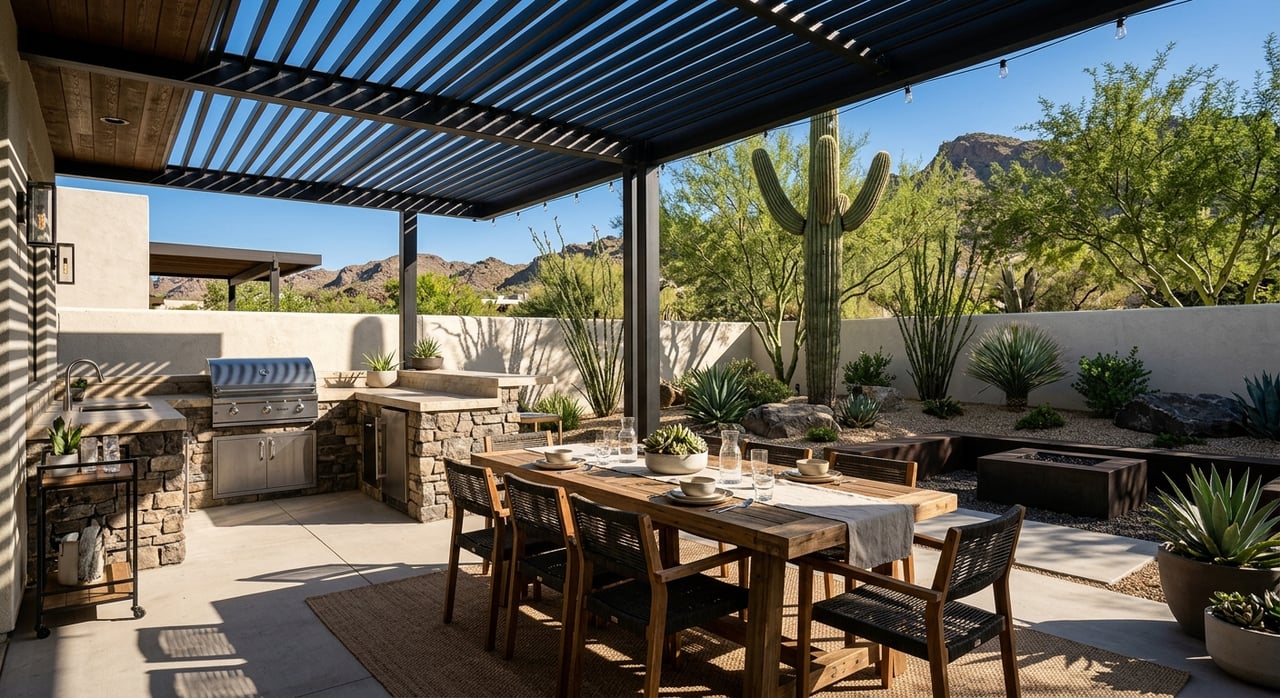
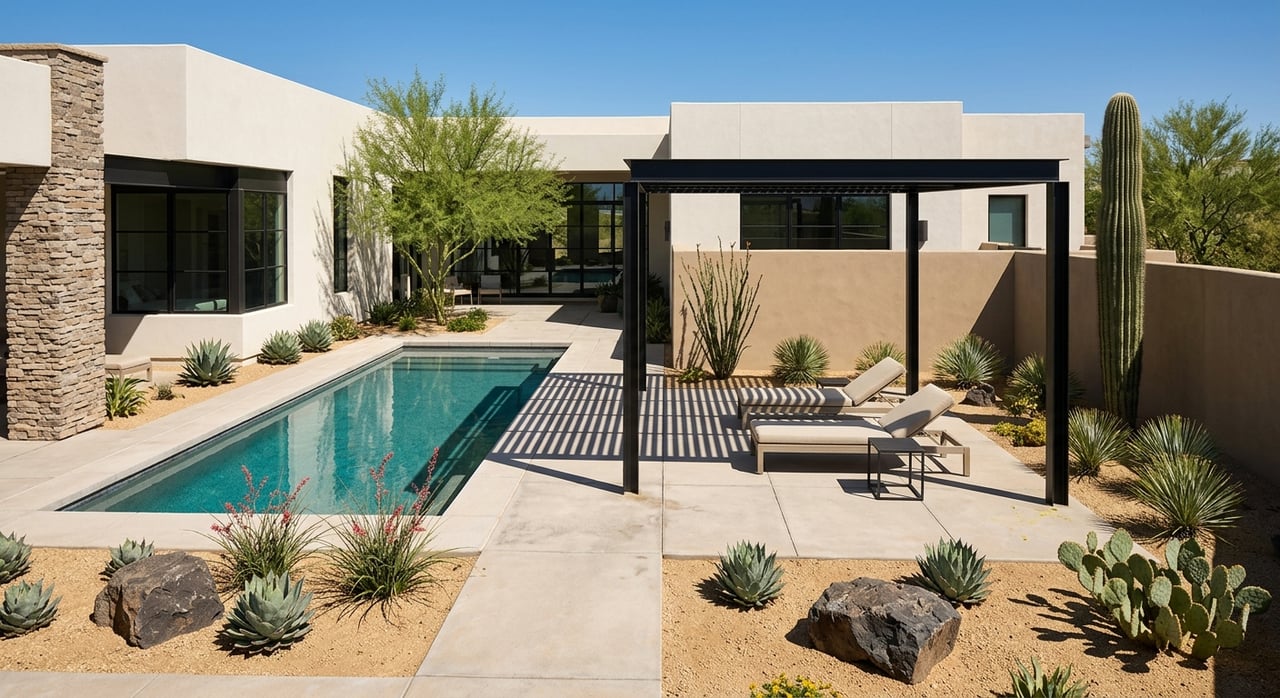
That layout supports both beauty and livability. From the street, you get broad views of mature planting and architectural facades. Behind the homes, owners can enjoy more sheltered outdoor rooms for dining, relaxing, or entertaining.
This balance is a major part of the neighborhood’s charm. It gives El Encanto an open, welcoming look without giving up privacy where it matters most.
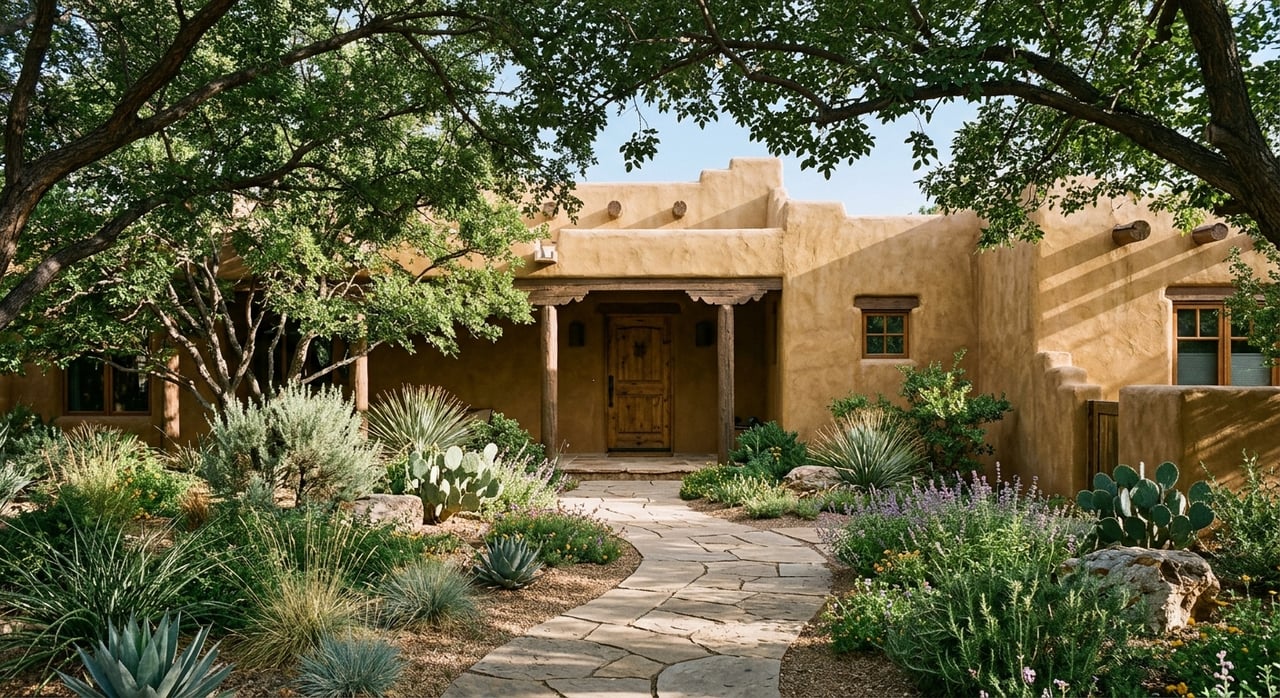
Historic landscape records show a wide range of plantings over time, including California pepper tree, citrus, olive, eucalyptus, glossy privet, and Bermuda grass. Some properties also leaned more heavily into desert species such as creosote, mesquite, barrel cactus, and prickly pear.
Today, that legacy shows up as a layered landscape character rather than a single planting style. Mature trees and shrubs remain a defining feature, even as many lawns have gradually given way to more water-conserving choices.
That is an important point for modern buyers. El Encanto can feel green and established without depending on broad front lawns alone. Much of the charm comes from shade, walls, palms, planting beds, and the relationship between hardscape and vegetation.
The El Encanto and Colonia Solana Neighborhood Plan emphasizes masonry boundary walls, landscape buffers, meandering pedestrian walkways, and natural desert landscaping in new development. It also calls for privacy considerations and a variety of rooflines.
That tells you something useful about the neighborhood today. Even as properties evolve, the broader goal is to preserve the residential feel and visual character that define the area.
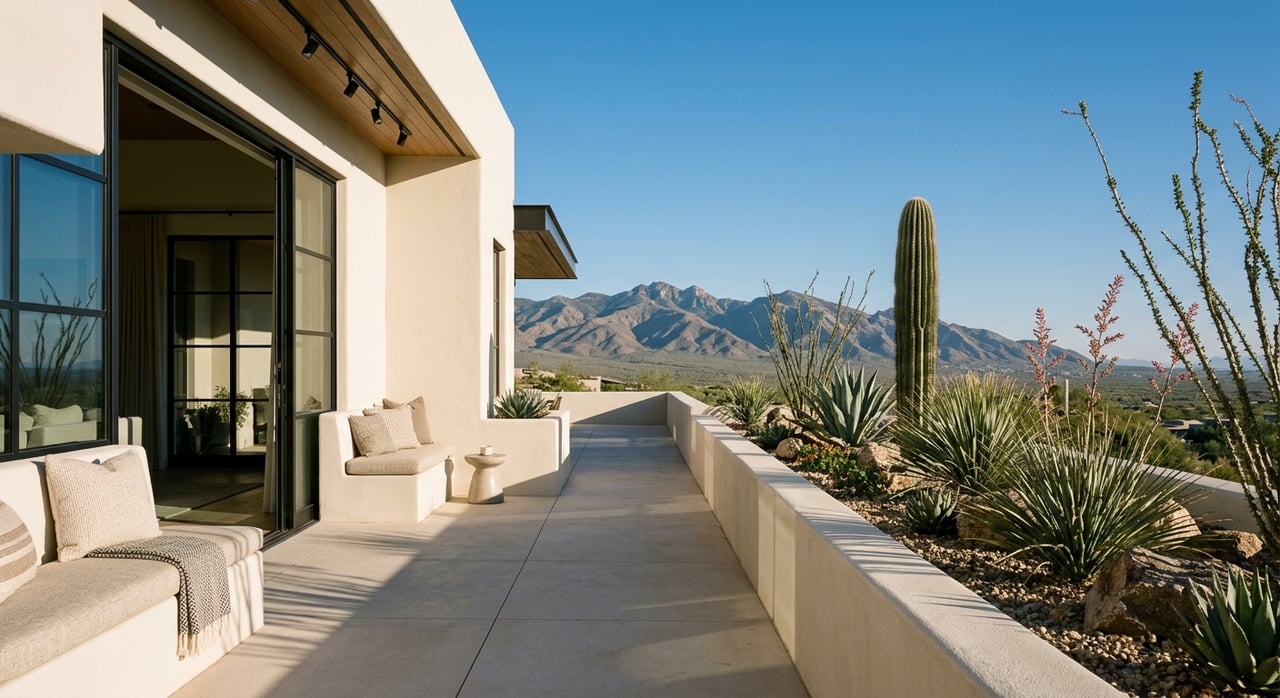
For homeowners, this supports a style of living that fits Tucson well. Outdoor spaces are not an afterthought here. They are part of the neighborhood’s design DNA.
Current Tucson landscape guidance emphasizes watering to the root zone, maintaining irrigation systems, and using desert-adapted plants. The Arizona Department of Water Resources also promotes low-water-use and drought-tolerant planting, along with rainwater harvesting for landscape irrigation.
In El Encanto, that means lushness does not have to conflict with practical landscape stewardship. Mature vegetation, enclosed patios, and established site design can work well alongside more water-wise planting choices.
For buyers or owners thinking long term, this is encouraging. You can appreciate the neighborhood’s historic garden atmosphere while also making landscape decisions that fit present-day Tucson conditions.
For many buyers, El Encanto offers a rare combination of qualities that are hard to replicate in newer neighborhoods. It delivers architectural variety, visual coherence, mature landscaping, and an established residential layout with a strong sense of place.
It can be especially appealing if you value:
The neighborhood’s appeal is not just aesthetic. It also comes from how these elements work together in everyday life. The result is a setting that feels calm, intentional, and deeply rooted in Tucson’s design history.
The best way to understand El Encanto is to see it as more than architecture alone. The neighborhood’s character comes from the relationship between the home, the lot, the street, and the landscape.
A beautiful facade matters, but in El Encanto, so do the palms along the street, the open front yard, the curve of the road, the patio wall, and the mature shade trees that soften the desert light. That full composition is what gives the neighborhood its enduring appeal.
If you are comparing Tucson neighborhoods, this is the point worth remembering. El Encanto offers charm not just because of what sits on each lot, but because the neighborhood was conceived as a whole.
If you are exploring Tucson neighborhoods with distinctive architecture, established landscaping, and a strong sense of design continuity, Evan Johnson can help you evaluate whether El Encanto fits your goals and lifestyle.
Stay up to date on the latest real estate trends.
Get assistance in determining current property value, crafting a competitive offer, writing and negotiating a contract, and much more. Contact me today so I can guide you through the buying and selling process.